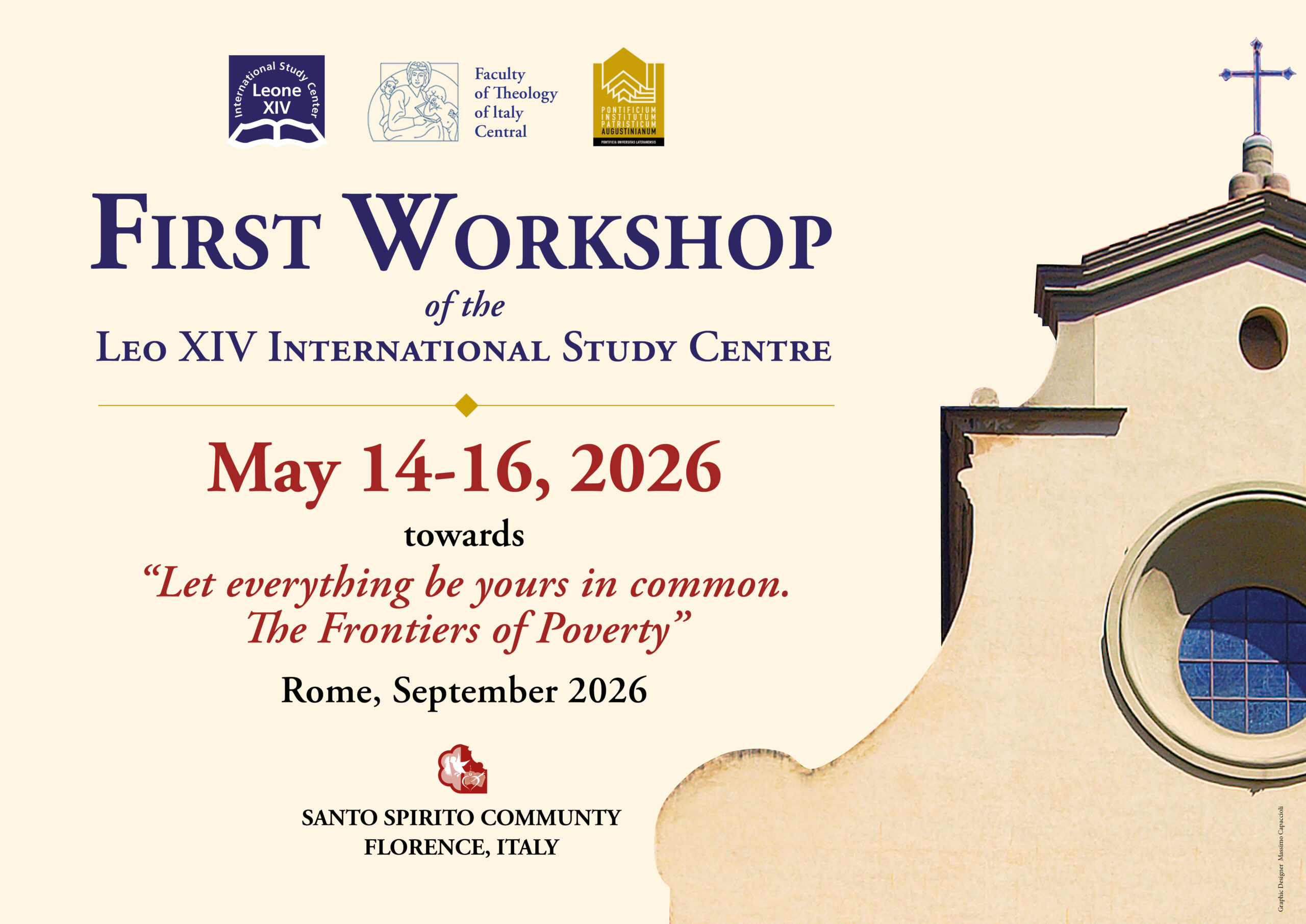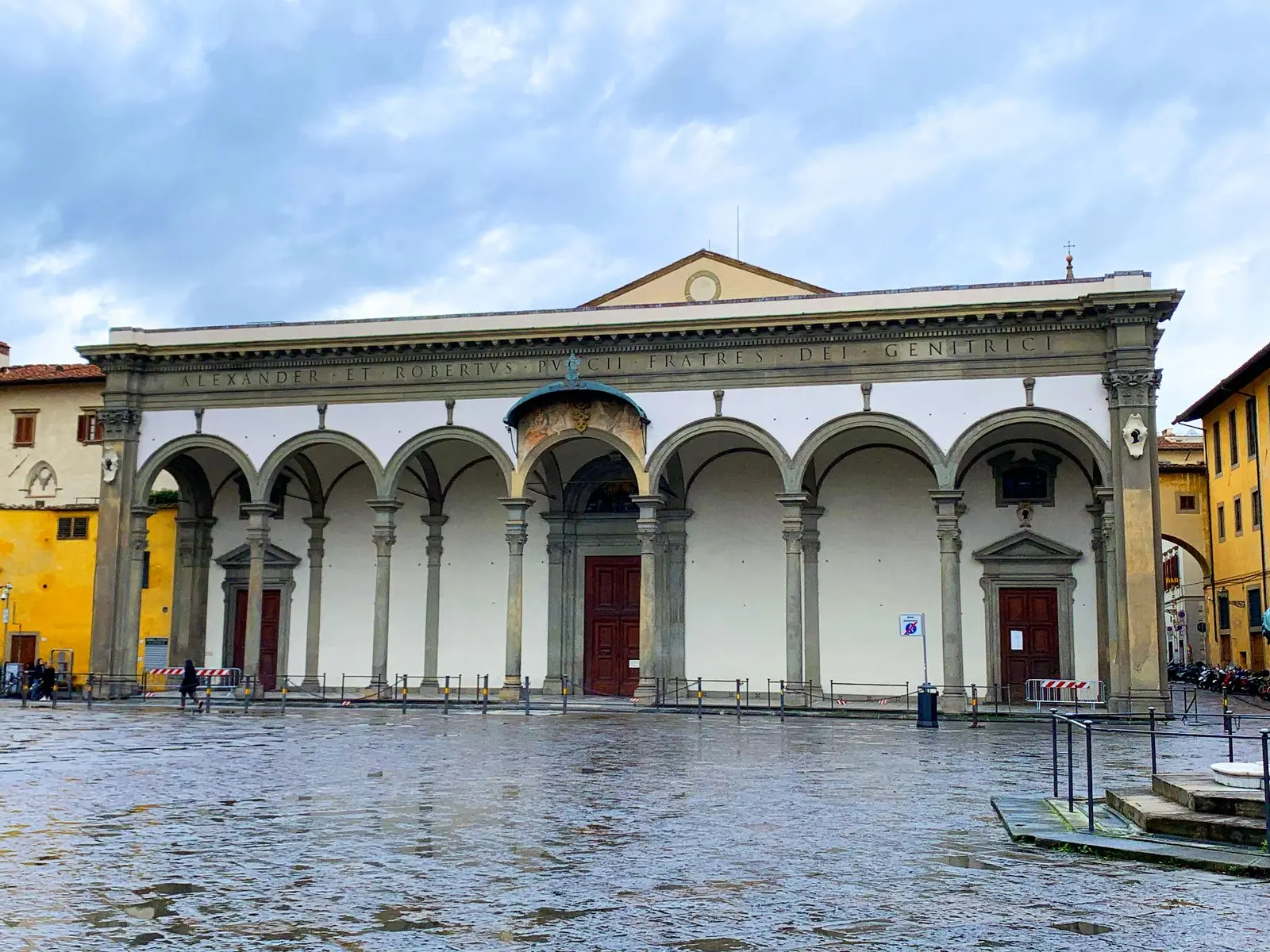
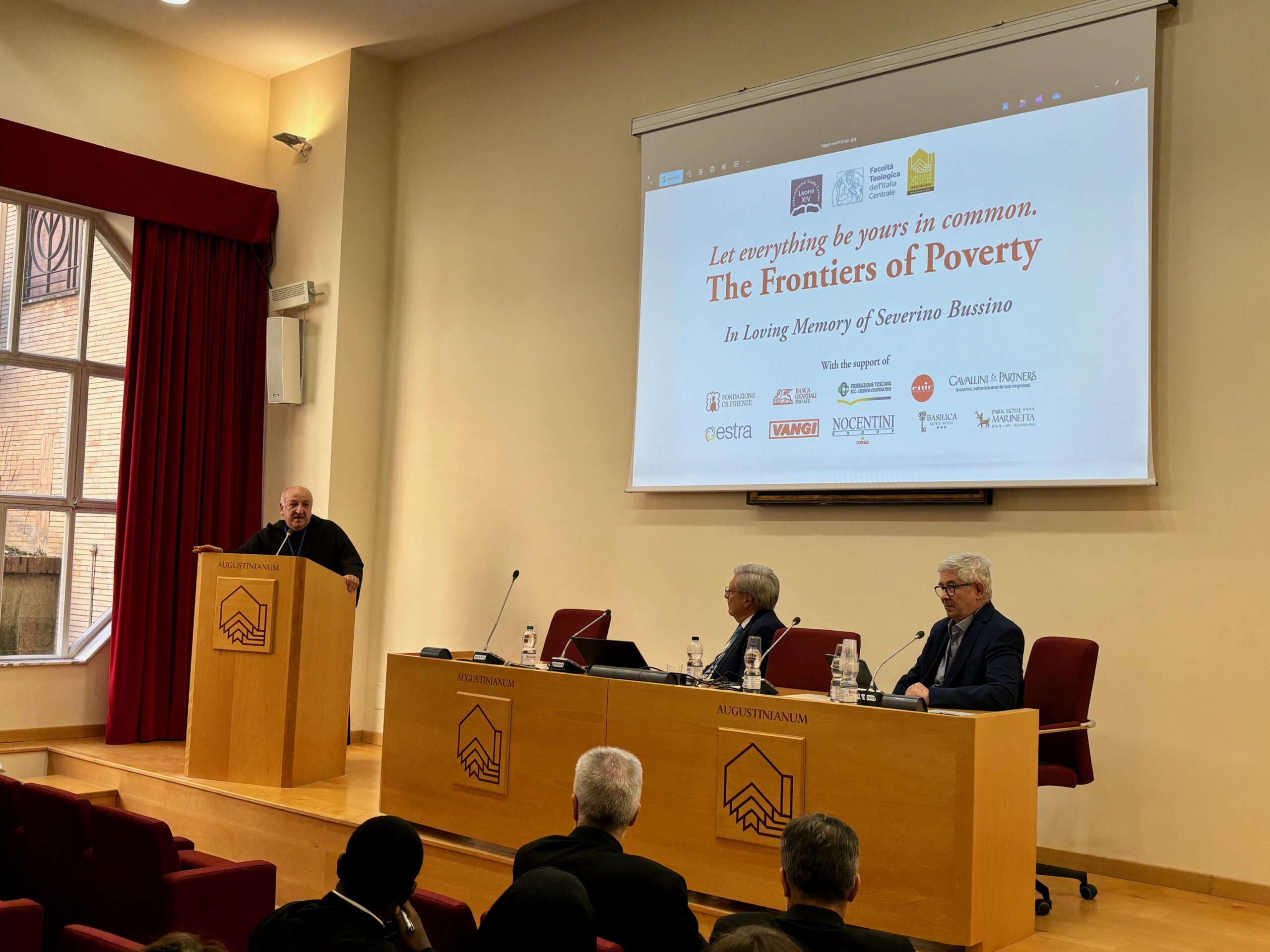
Two days devoted to reflecting on poverty in all its complexity and many dimensions, and to examining the responsibilities of the Churches, institutions and society. The first international workshop of the Leo XIV International Study Center ETS took place on 16 and 17 September at the Pontifical Patristic Institute Augustinianum in Rome. The Center is based at the Augustinian Community of Santo Spirito in Florence and is chaired by Father Giuseppe Pagano, OSA. The programme continued on 18 September with an audience granted to the participants by Pope Leo XIV.
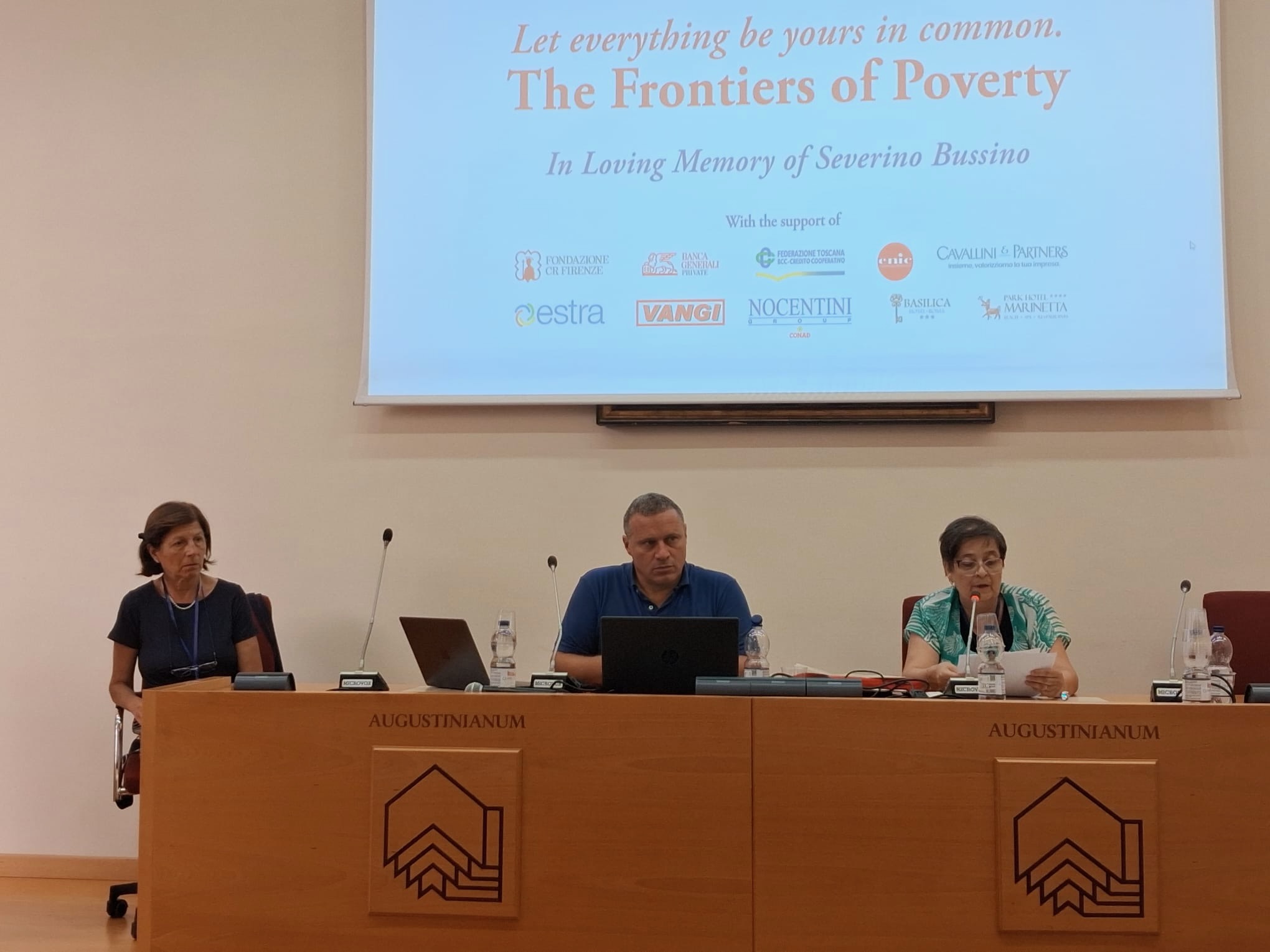
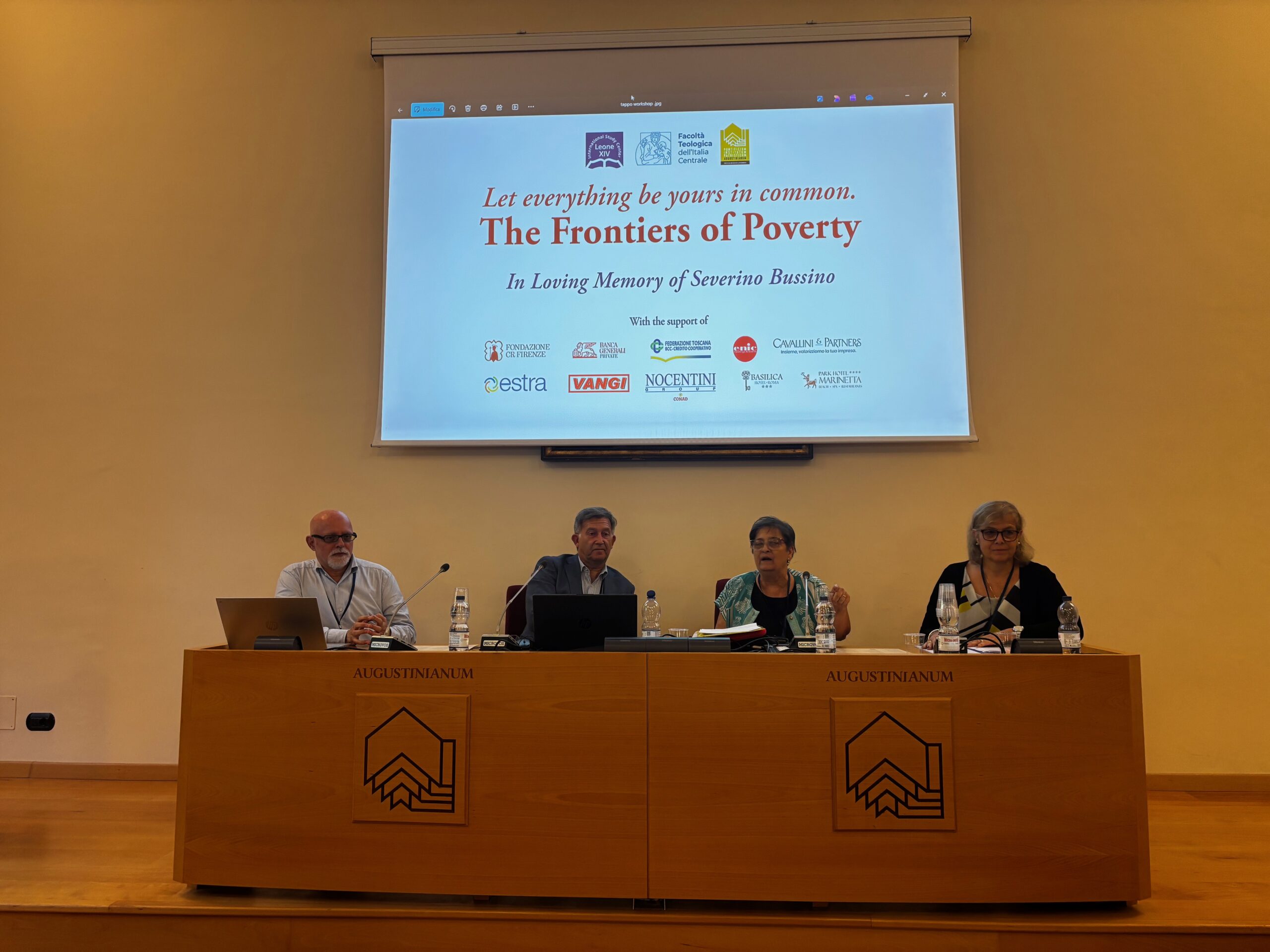
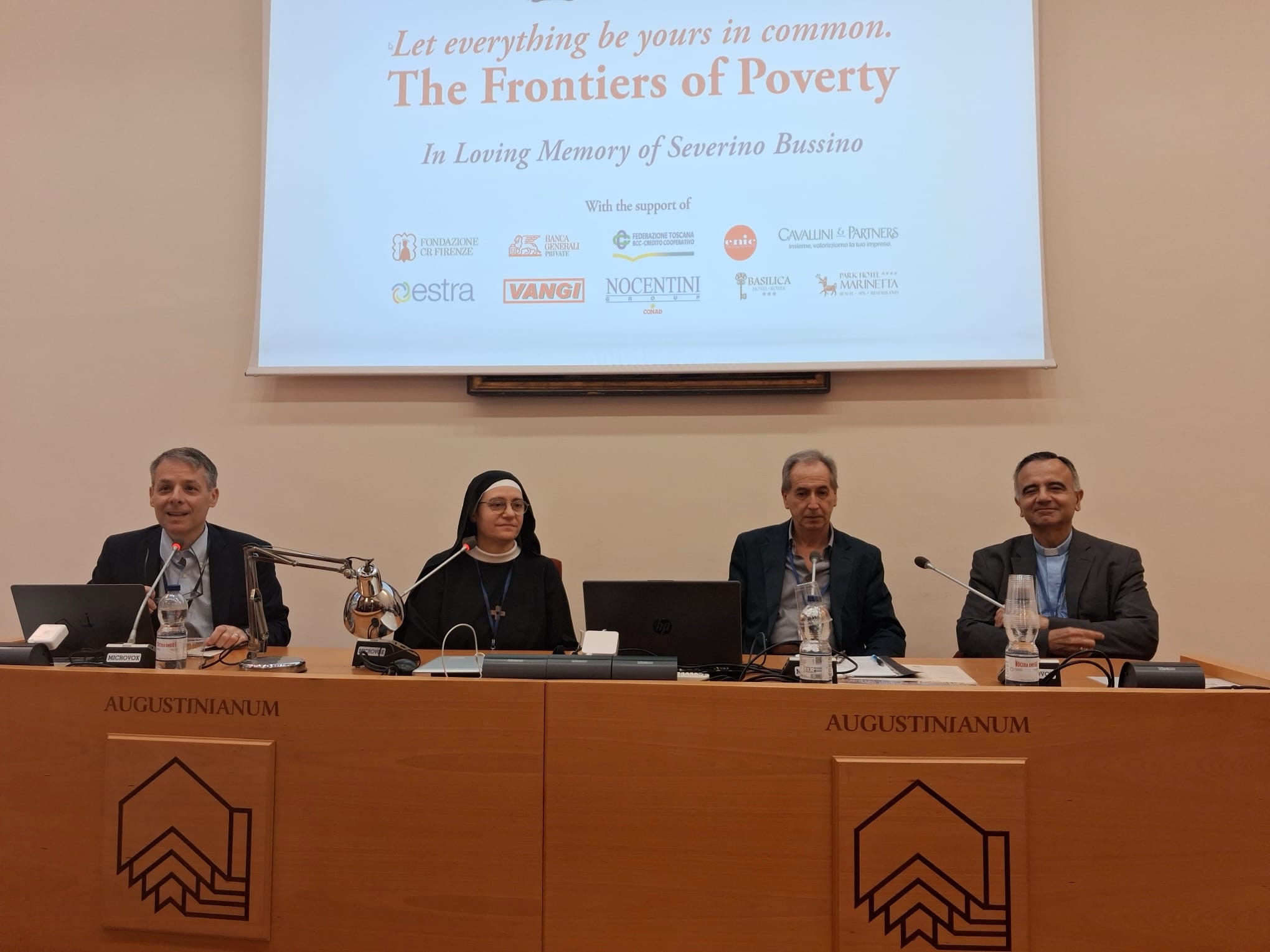
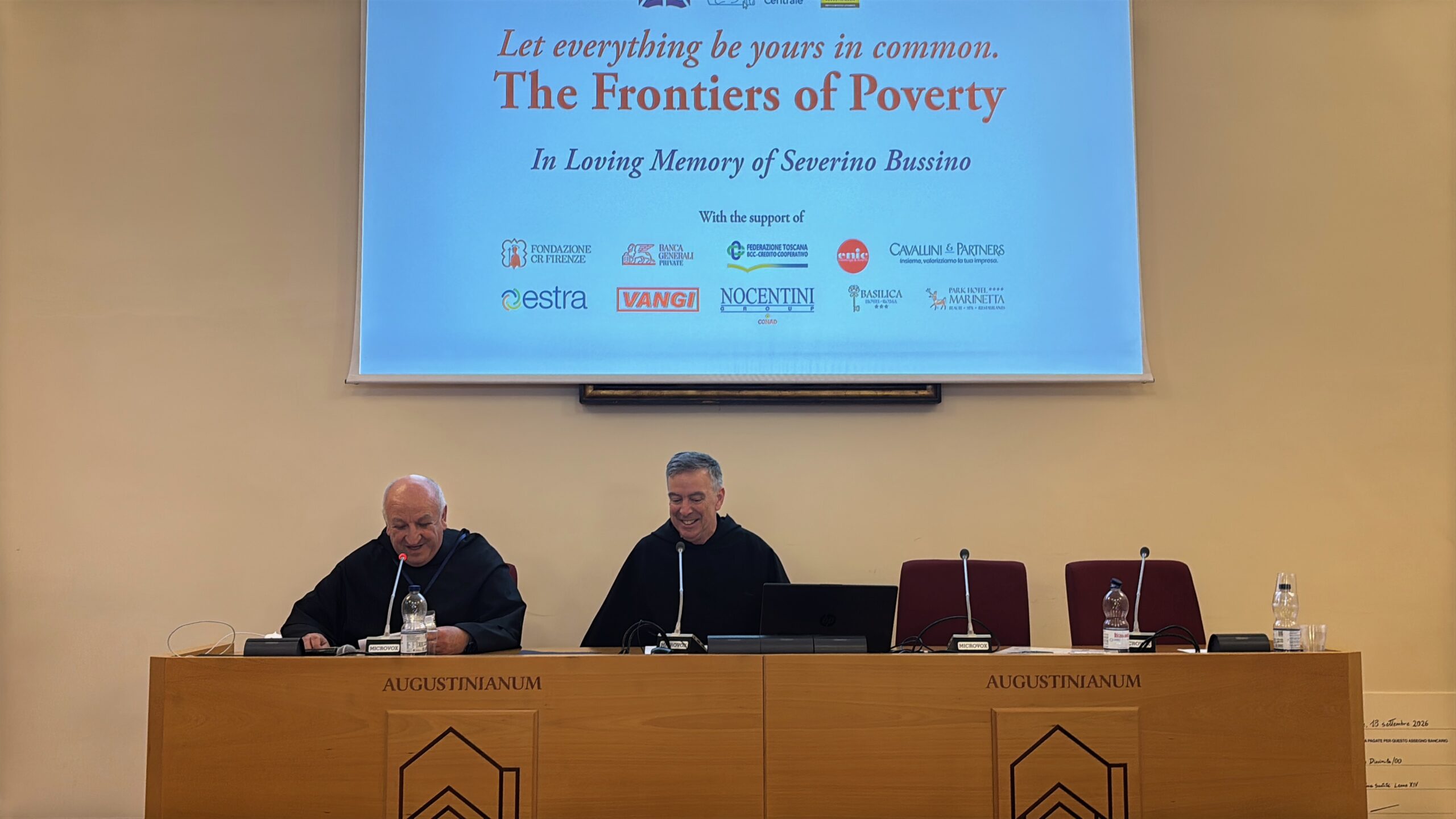
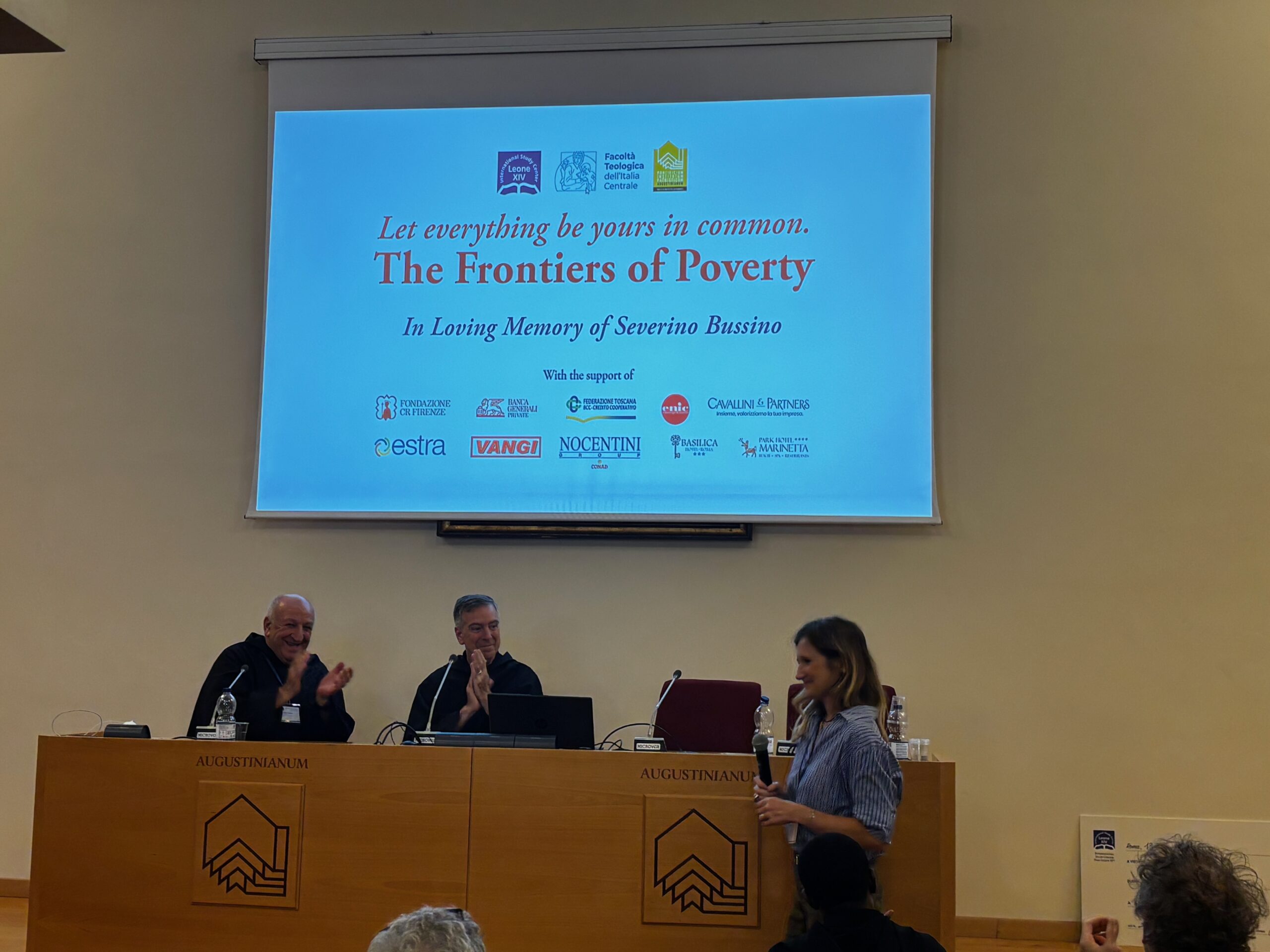
Organised in collaboration with the Pontifical Patristic Institute Augustinianum and the Theological Faculty of Central Italy, the workshop was entitled “Let everything be yours in common. The Frontiers of Poverty”: a reference to Saint Augustine’s call to share possessions, taken as the starting point for exploring the frontiers of contemporary poverty.
Coordinated by Massimo Faggioli, Simone Morandini, Cristina Simonelli and Chabi Kolawole, the meeting was dedicated to the memory of Brother Severino Bussino, OSA, whose contribution to its conception and preparation had been decisive, although he did not live to see it take place. Stefano Maria Mari paid tribute to his commitment at the opening of the workshop.
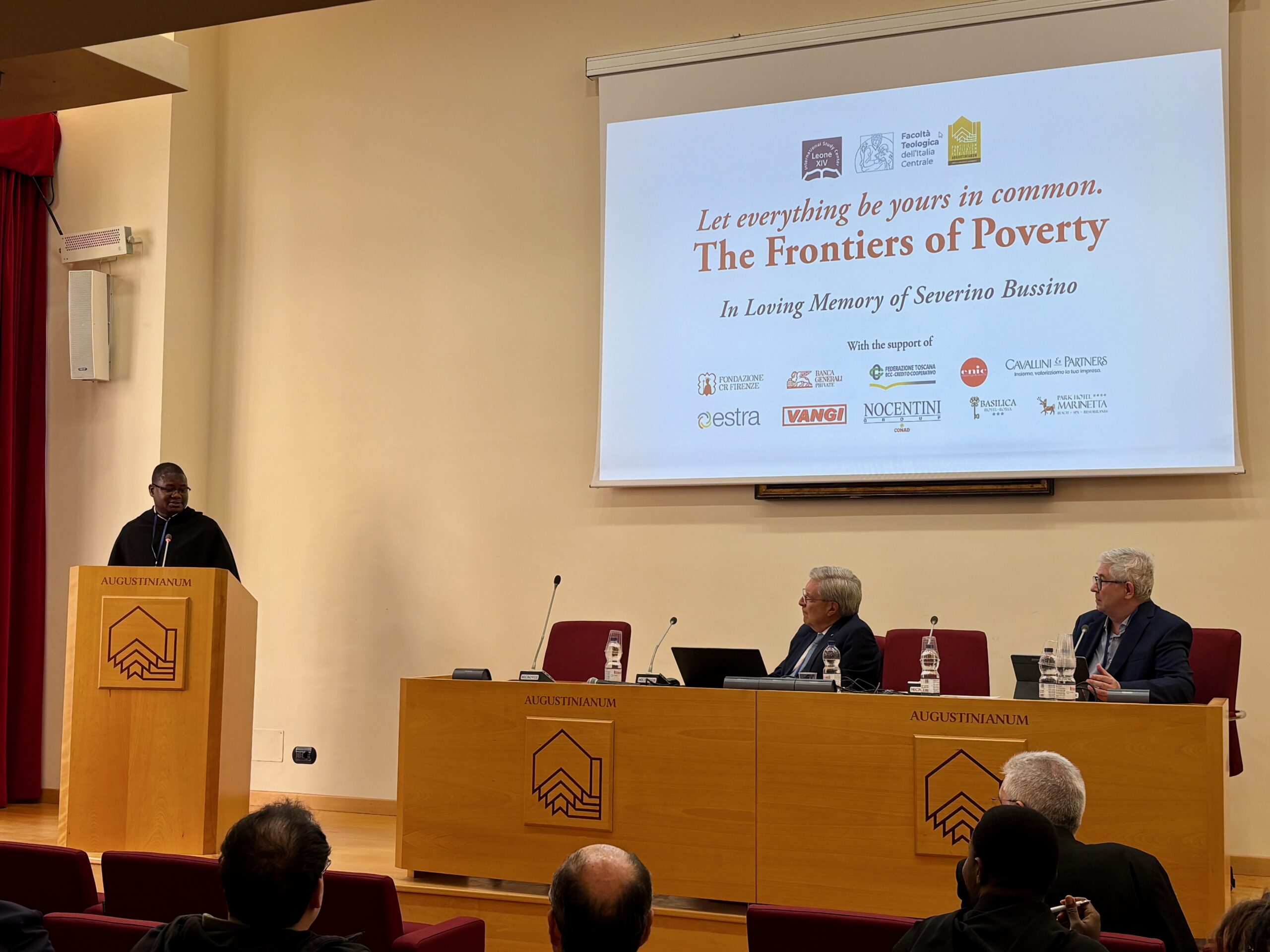
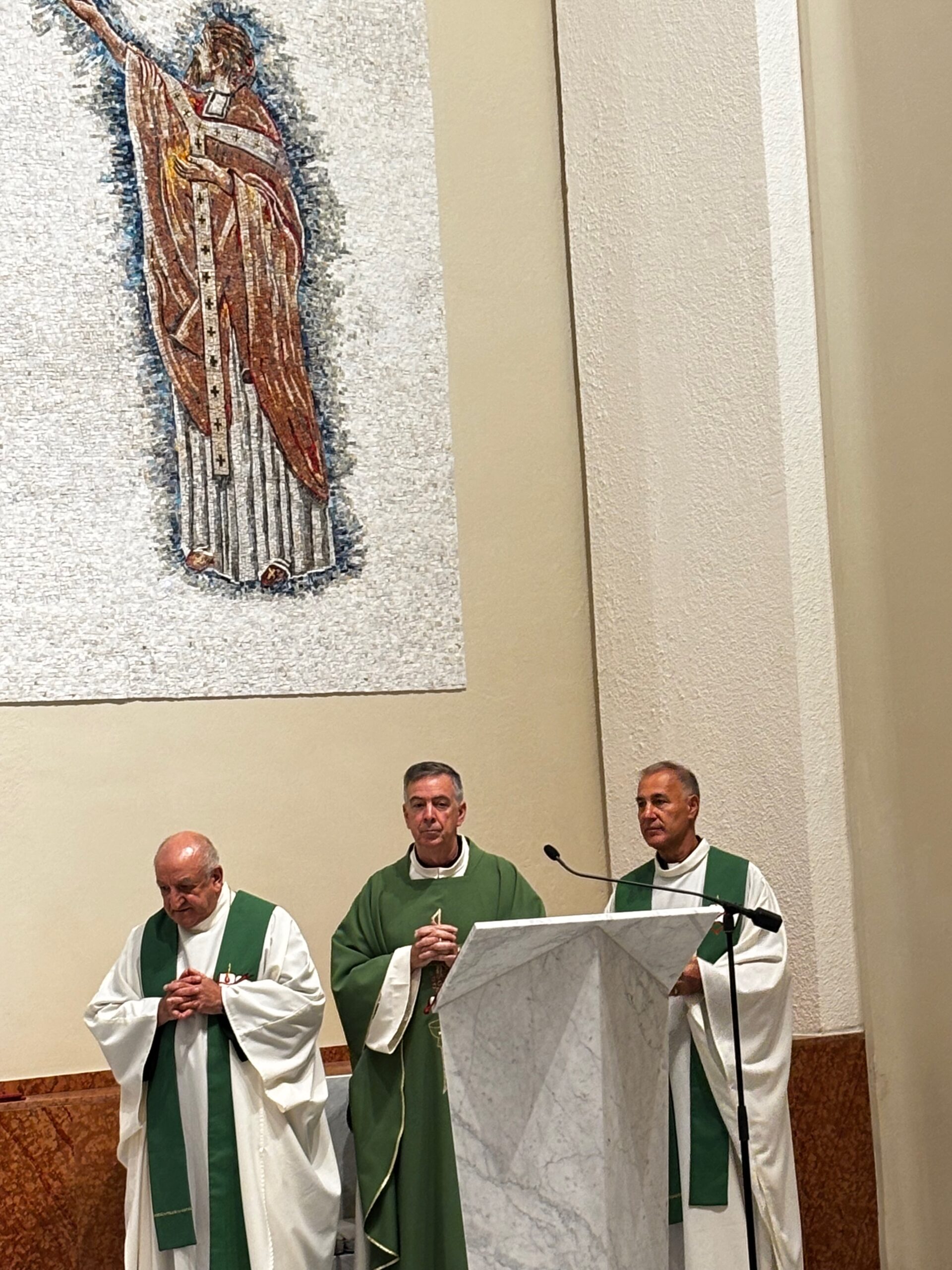
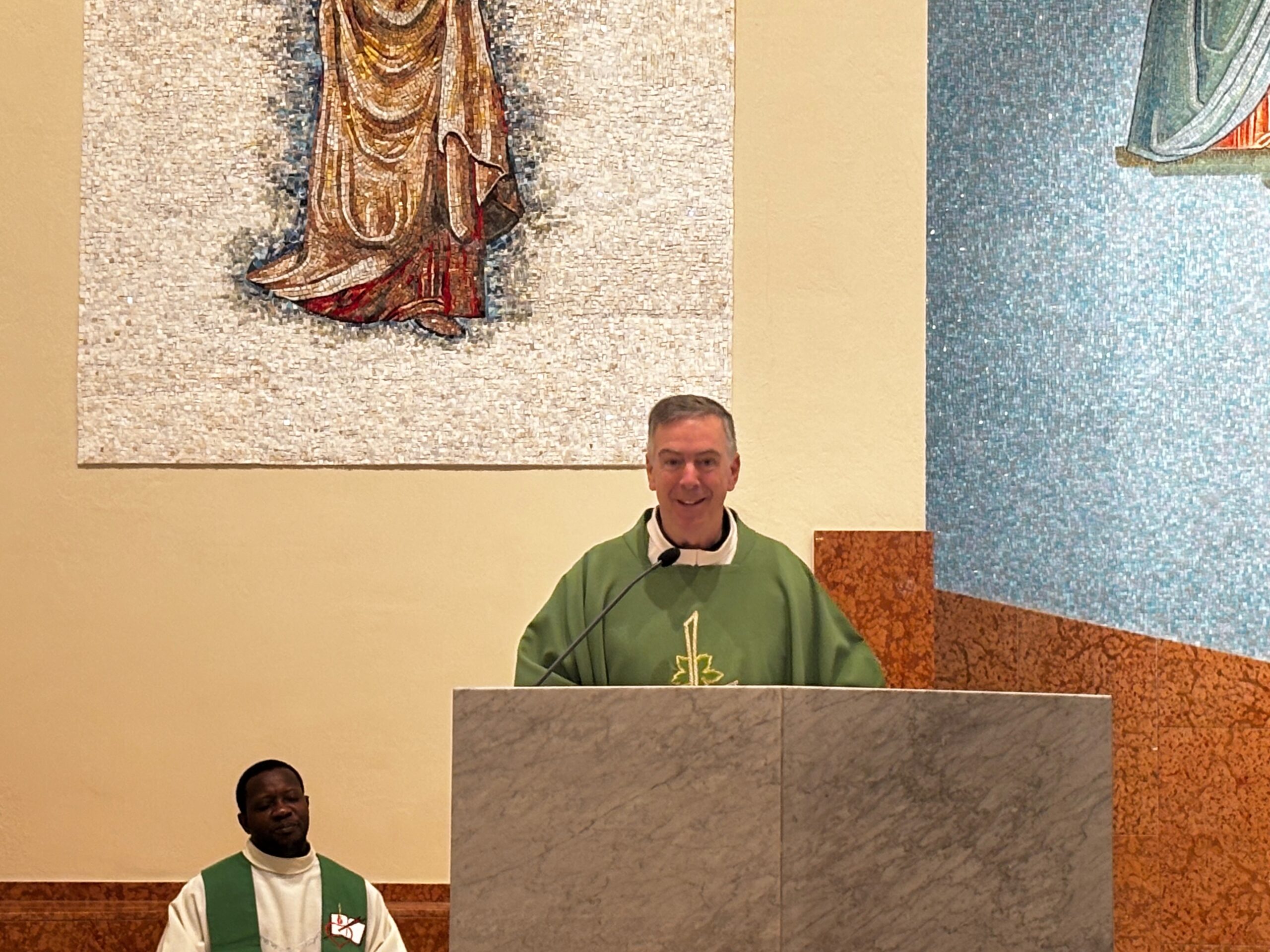
The opening session included addresses by the President of the Augustinianum, Father Juan Antonio Cabrera, and Father Martin Davakan, OSA, Assistant General, representing the Prior General, Father Joseph Farrell, who was engaged in the work of the General Council. The Prior Provincial, Father Gabriele Pedicino, opened the second day’s proceedings. On the morning of 17 September, Father Farrell presided at the Mass in memory of Brother Severino in the chapel of Santa Monica and later delivered the workshop’s concluding remarks. His presence expressed the Augustinian Order’s support for the initiative.
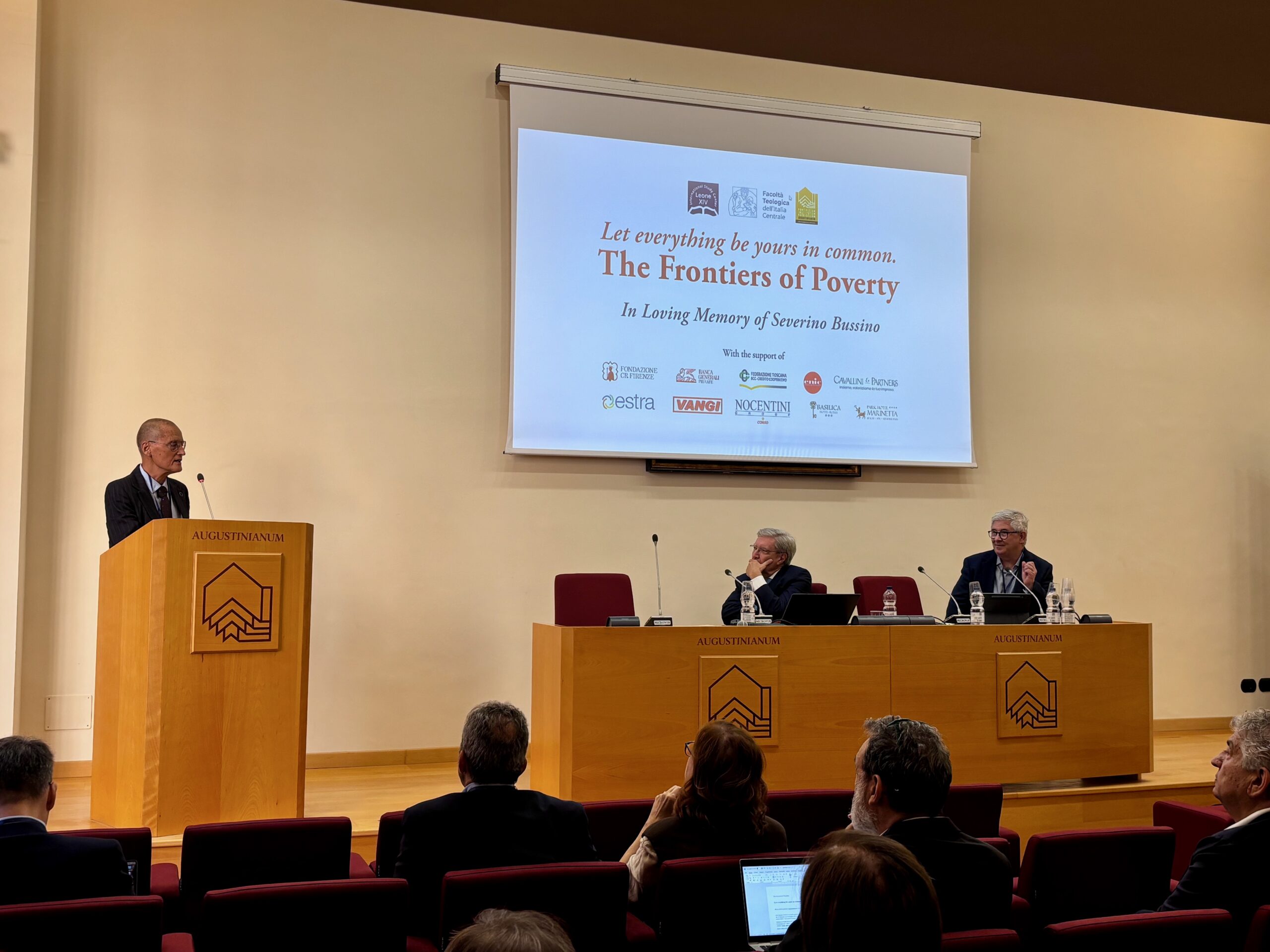
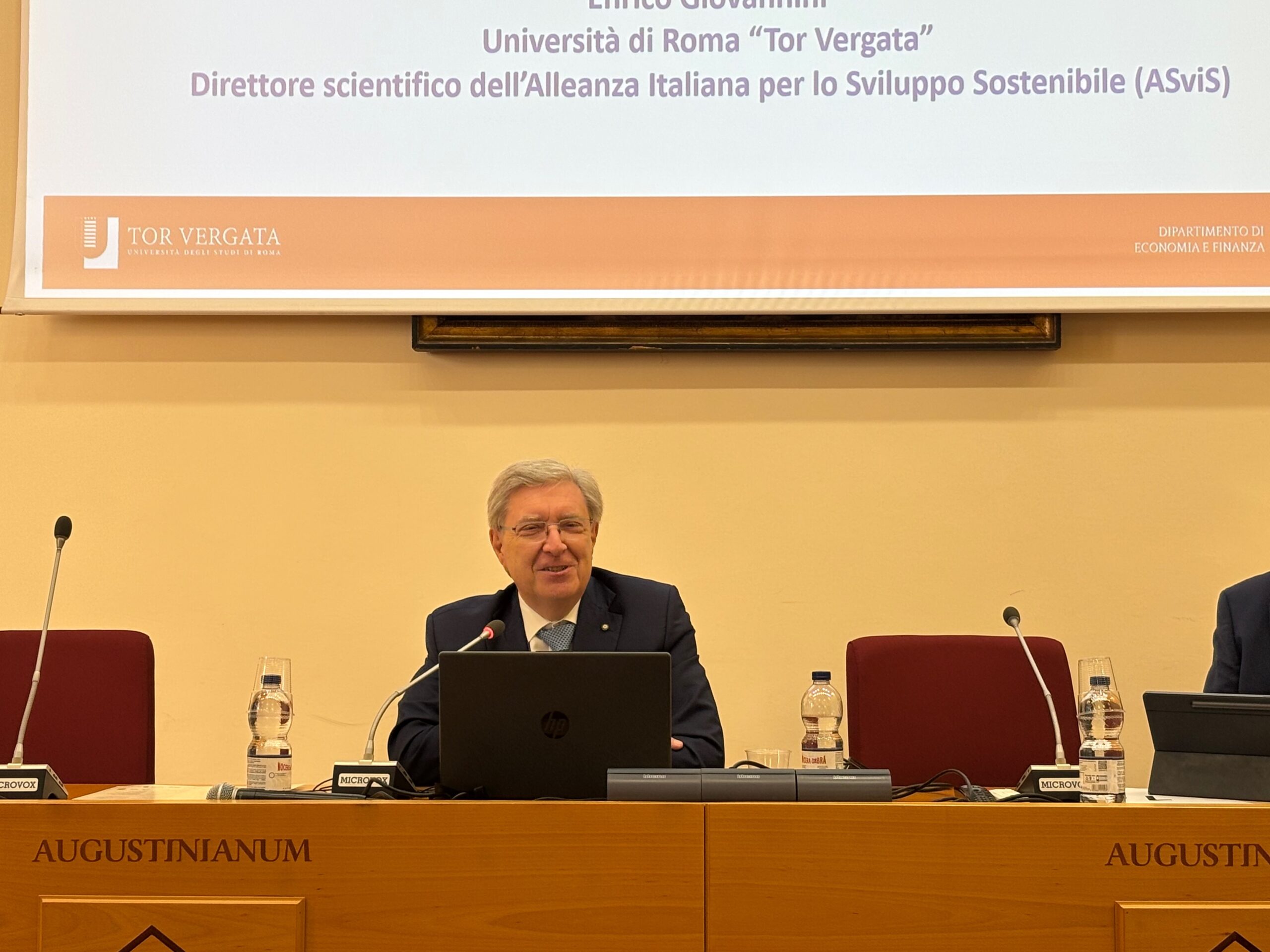
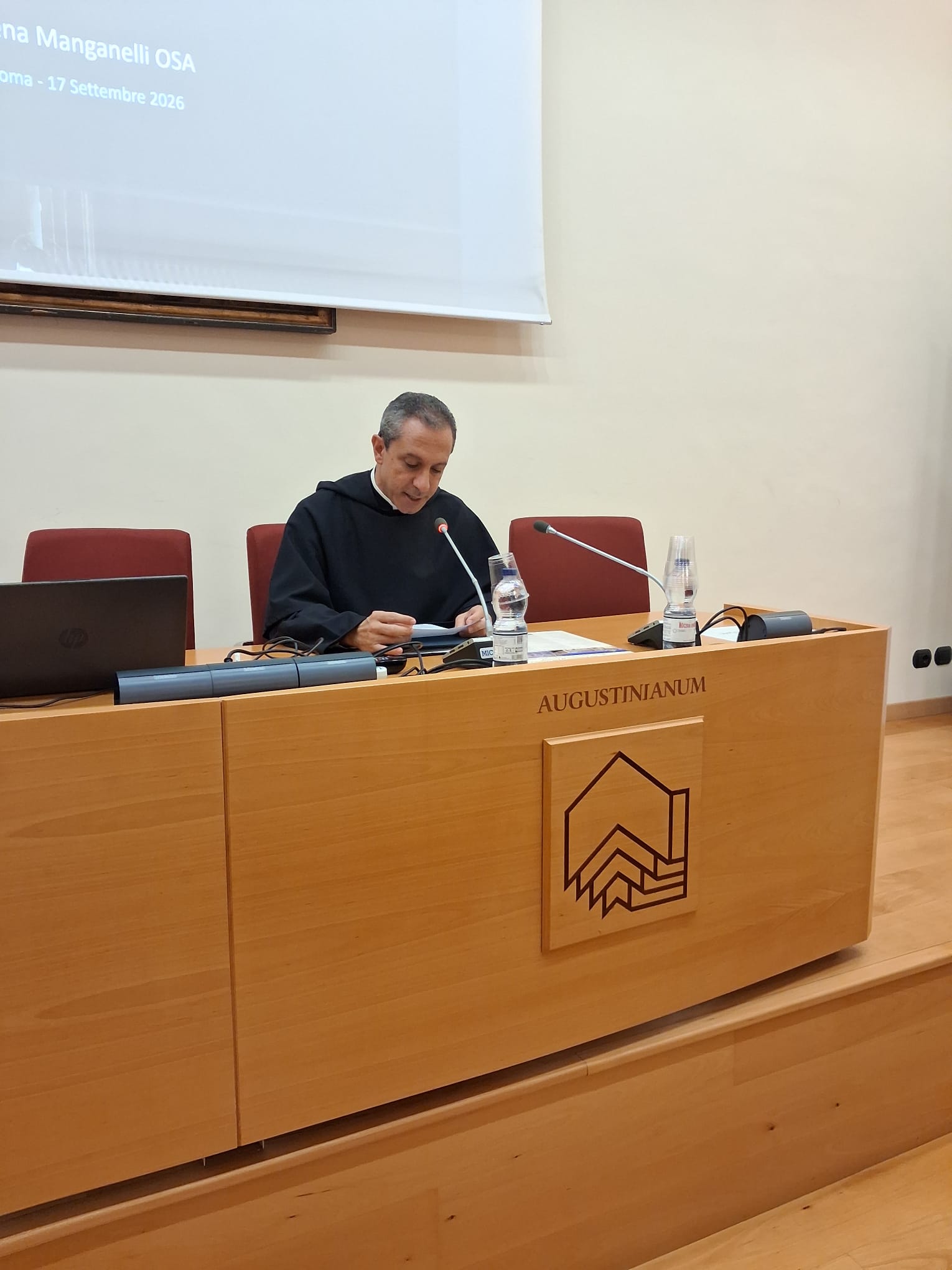
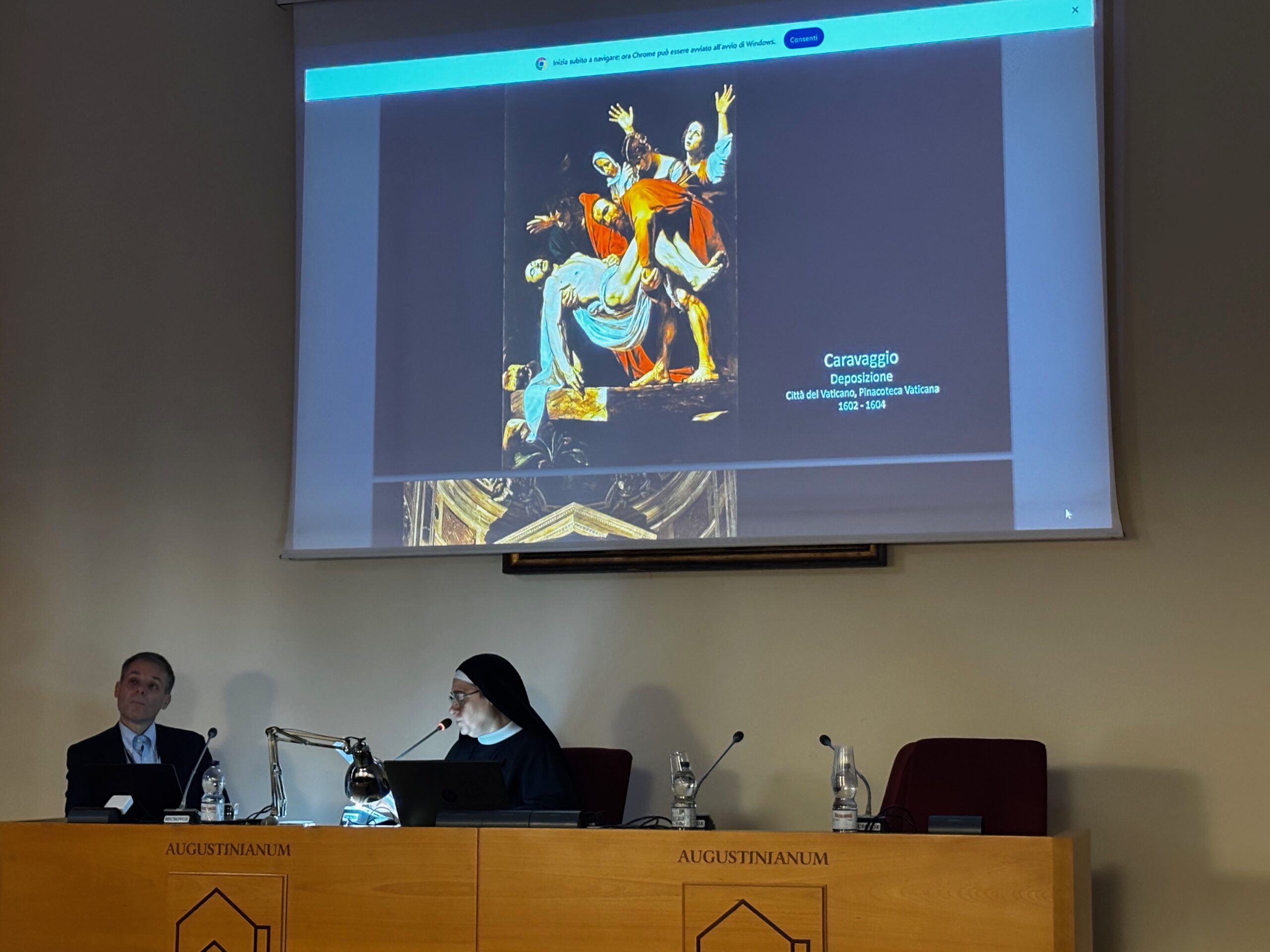
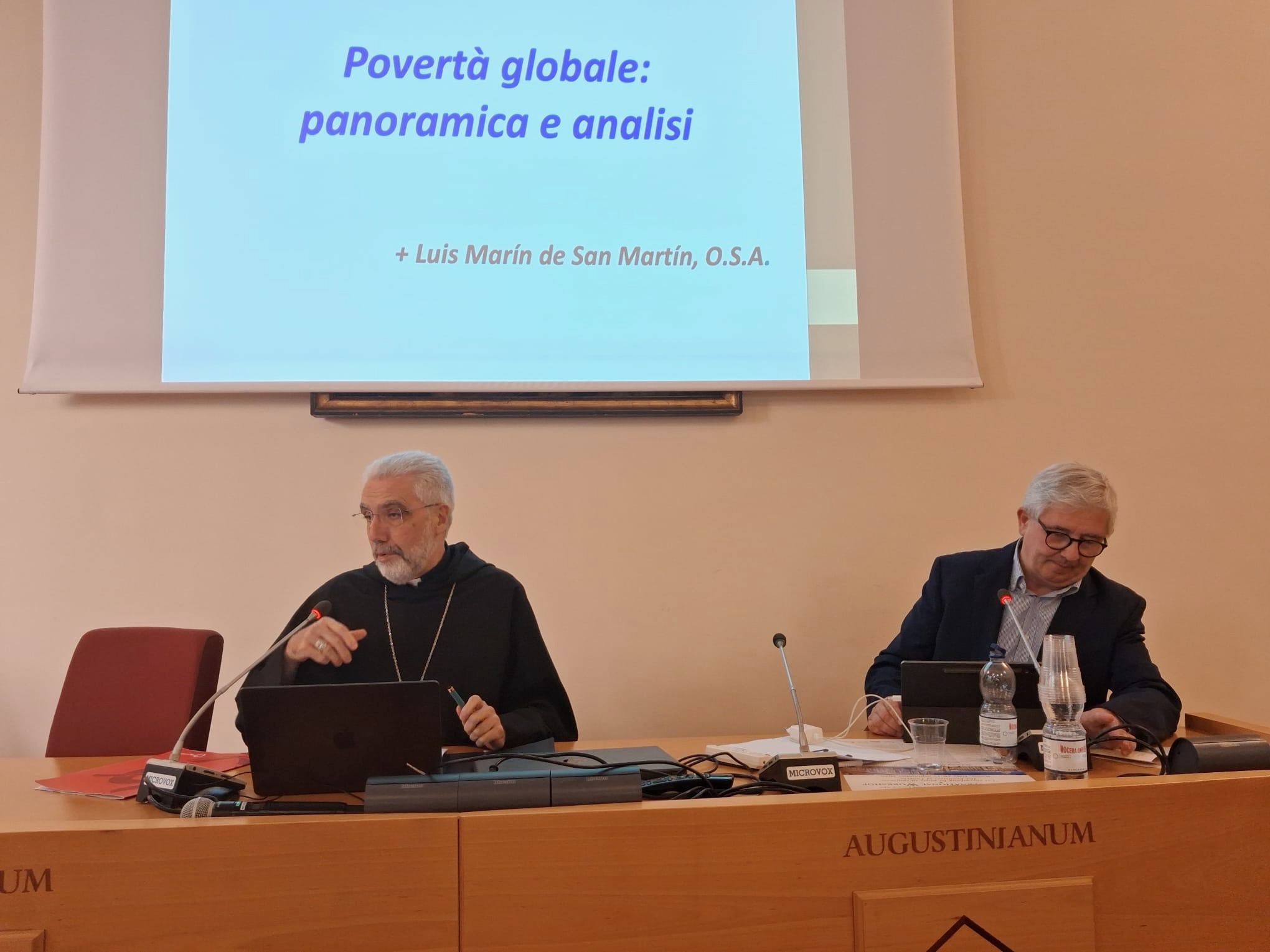
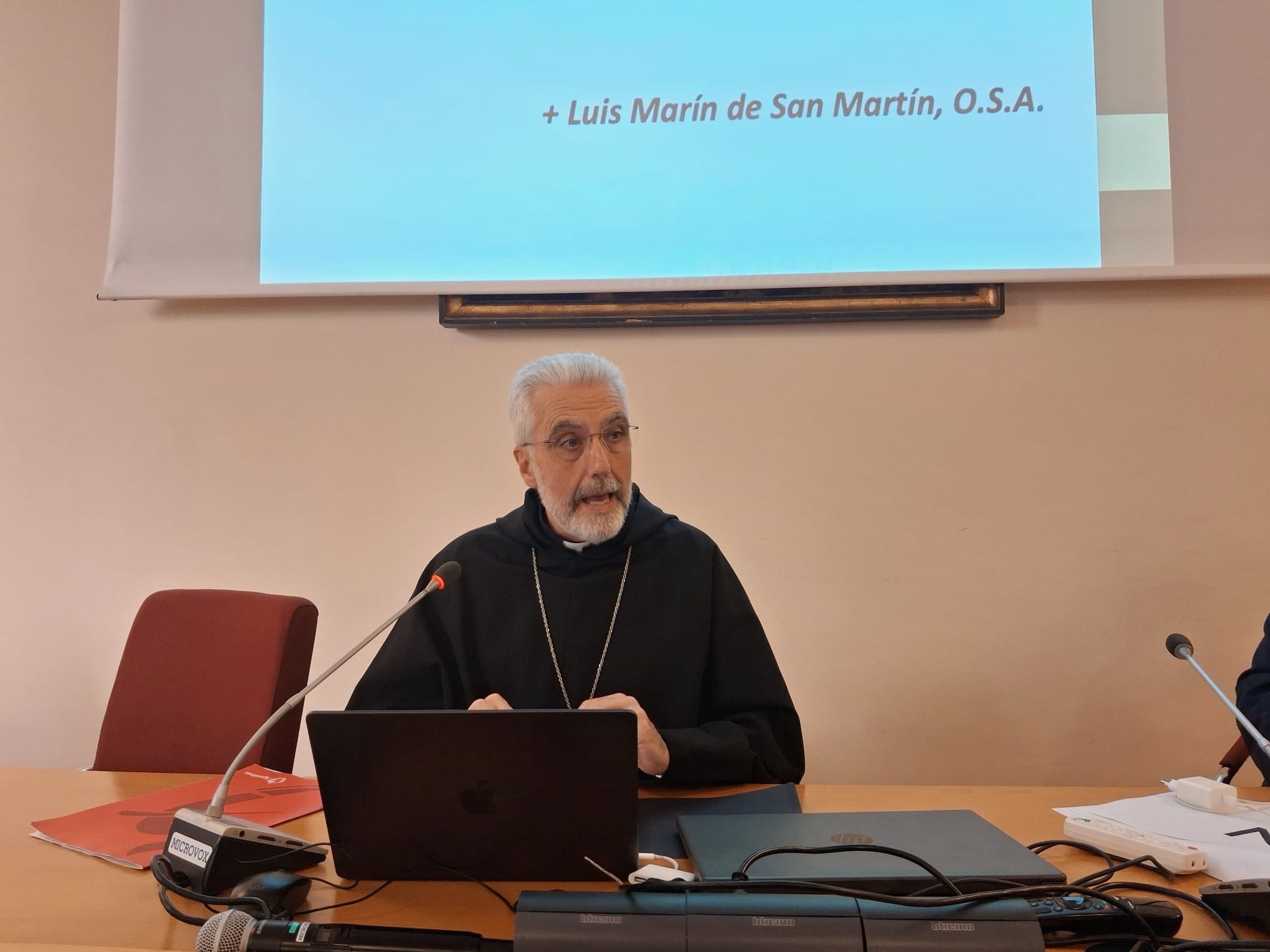
The two days were enriched by Sister Elena Manganelli’s insightful meditation on Scripture and art, and brought together the wisdom tradition and close attention to the contemporary world. The aim was to understand both what poverty is today — Msgr. Luis Marín de San Martín’s contribution was particularly illuminating in this respect — and what poverty means today. It is a multidimensional reality that, as Enrico Giovannini powerfully demonstrated in his opening lecture, severely affects so much of humanity in an often unjust society. Many factors contribute to it: changing climatic conditions, economic and institutional fragility, and conflict.
This reality seems to overwhelm even the possibility of imagining different futures, in which everyone’s life can flourish. Yet imagination was a key theme throughout these days: it teaches us to draw on a range of resources to envisage meaningful possibilities and models. The discussions therefore turned to Scripture, with contributions by Donatella Scaiola and the late Father Kieran O’Mahony, OSA, whose paper was read by Father Elizandro Contreras, OSA. They rediscovered the Creator’s care for the poor, as well as the Christological foundations of this concern: the Incarnation speaks to us of a Word who became flesh — the flesh of a humanity marked by poverty. Participants revisited the wisdom of the Church Fathers (Michele Cutino), the practices at the origins of the mendicant orders (Francesco Salvestrini), and the monastic experience (Claudia Maiorelli). They also engaged with the complexity of the Protestant Reformation and the changes it brought about in this area (Debora Spini).
The social teaching of the Catholic Church was a key point of reference (Erio Castellucci, Pier Davide Guenzi). Its development reached a high point in the adoption of the preferential option for the poor, yet it continually requires an understanding of new realities in order to put that option into practice. Particular emphasis was placed on the dynamism extending from Rerum novarum to Magnifica humanitas, through the call in Pacem in terris to discern the signs of the times. In this context, the Apostolic Exhortation Dilexi te emerges as an important reference for a Christian understanding of poverty (Marín de San Martín). This outlook is nevertheless challenged by the emergence within Christianity — in the United States, for example — of approaches resistant to solidarity (Massimo Faggioli).
Drawing on these interconnected points of reference, participants examined the realities of our time in all their complexity, beyond the oversimplifications so easily produced in the age of AI. They explored the links between poverty and war, which brings devastation and wastes resources (Lucia Capuzzi), as well as the problematic role of AI (Elías Neira, OSA). These issues were approached from the perspective of the poor, a privileged standpoint for understanding reality in its complexity, as the Encyclical Laudato si’ suggests. This distinctly intersectional approach led to a broad understanding of poverty, one that cannot be reduced to financial resources but is instead linked to access to the range of capabilities that enable human beings to flourish. A specific focus on water (Federica Natalia Rosati) also demonstrated its strategic importance in this respect.
Several key words emerged during the workshop, expressed with analytical rigour and the passion of those who recognise poverty as a human tragedy. They also drew on a renewed engagement with Augustine’s thought (Donatella Pagliacci):
Responsibility in the use and sharing of material and immaterial goods.
Justice, understanding the law as a service to the most vulnerable, rather than as protection for the interests of a few (Patrizia Giunti).
Care, promoting the dignity of the poor and rejecting every form of paternalism.
Poverty of spirit, understood as openness to solidarity and sharing, in opposition to the arrogance of those who regard wealth as a sign of superiority and poverty as a fault.
At a time of dramatic change that seems to undermine every international framework of solidarity, the responsibility of the Churches to work together for a culture of relationships and concern for the poor was emphasised. Above all, this means taking responsibility for thinking in the service of justice: challenging the conditions that combine to produce poverty, through thought capable of rigorous scholarly analysis while also sustaining a vision of hope — like that of Isaiah 2 — for a future of fraternity and peace.
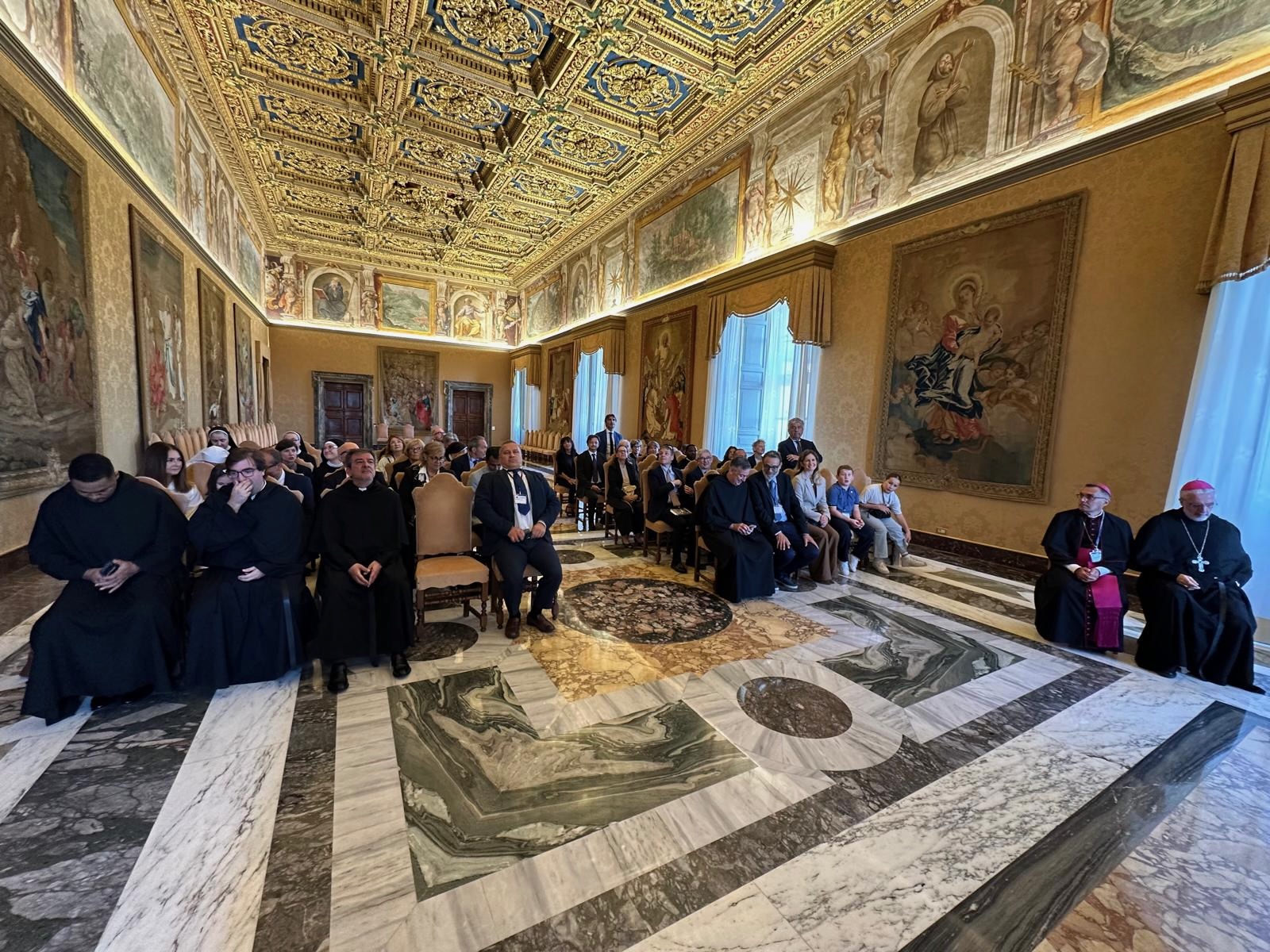
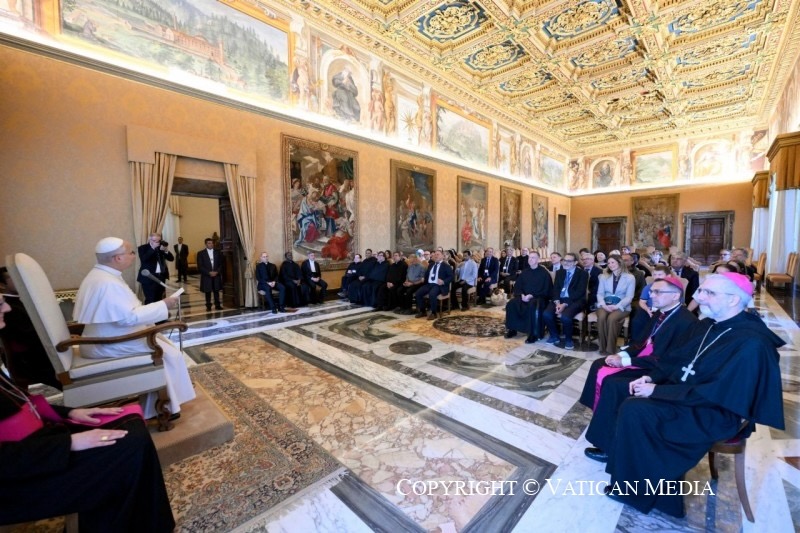
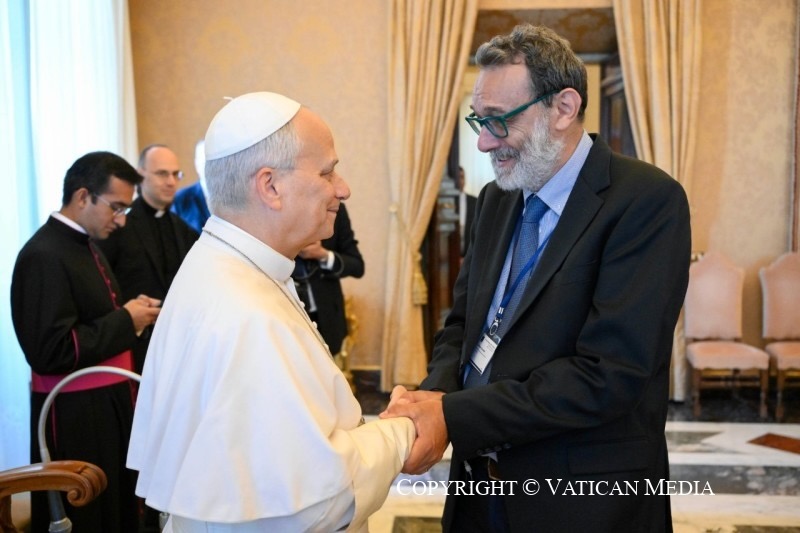
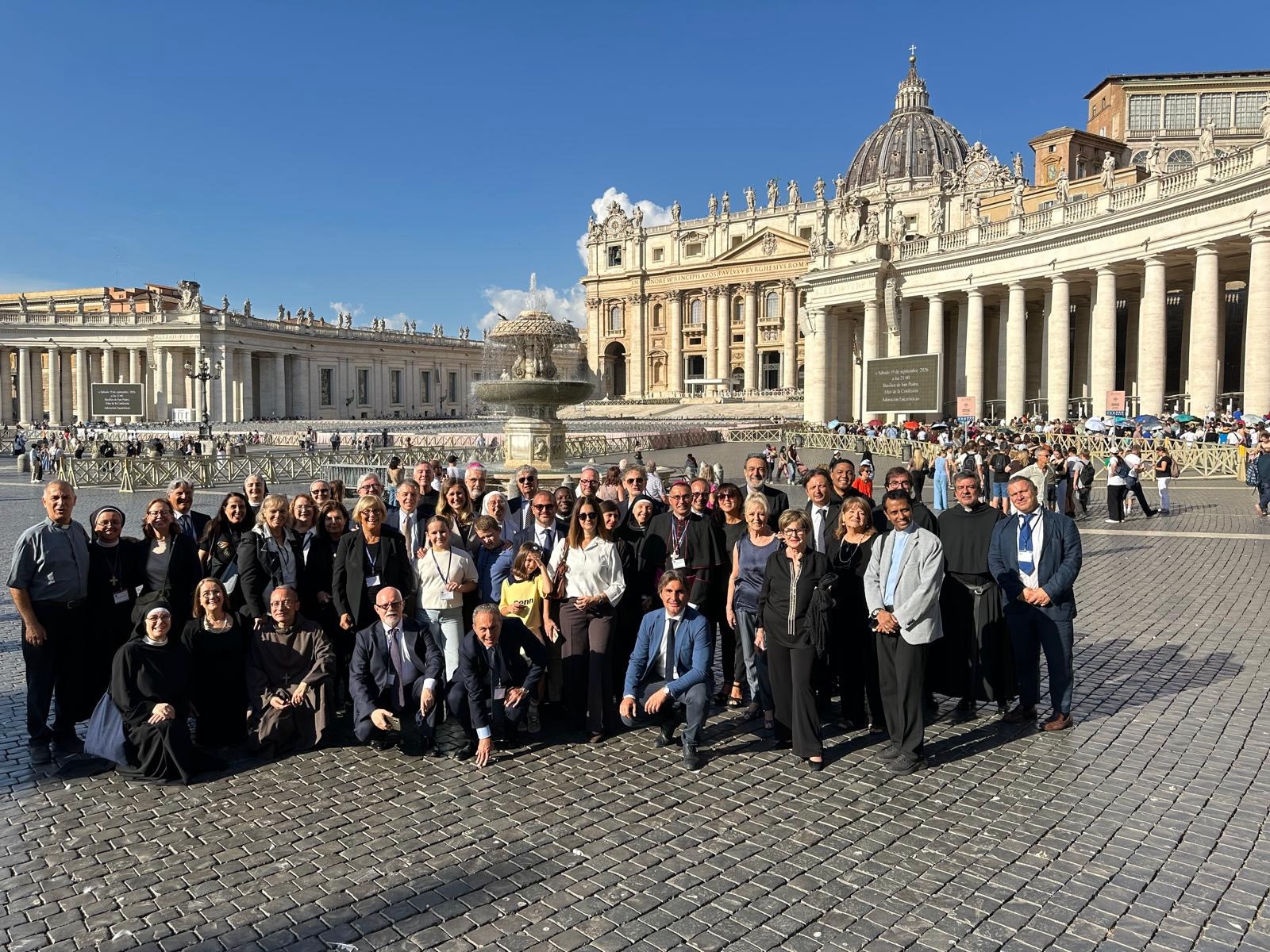
These reflections were further developed at the meeting with Pope Leo XIV on 18 September in the Consistory Hall. The Archbishop of Florence, Msgr. Gherardo Gambelli, also attended the audience. The Pope expressed his gratitude for the initiative, emphasising “the importance of reflection and critical thinking in building a civilization of love”. He welcomed the Center’s openness to dialogue with academia, institutions and civil society, mentioning its collaboration with the Augustinianum and the Theological Faculty of Central Italy. He also linked its location in Florence to the legacy of Humanism and the building of peace.
His address included a call to promote education for public and political life directed towards the common good, nurturing responsibility towards the community and relationships of solidarity. The Pope identified Augustinian thought as a resource for the renewal of personal, economic and political life, encouraging the Center to counter mistrust and resignation.
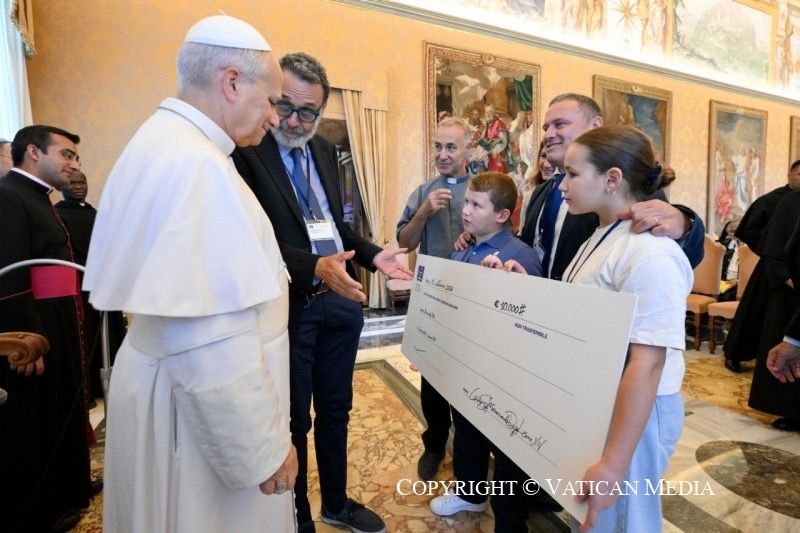
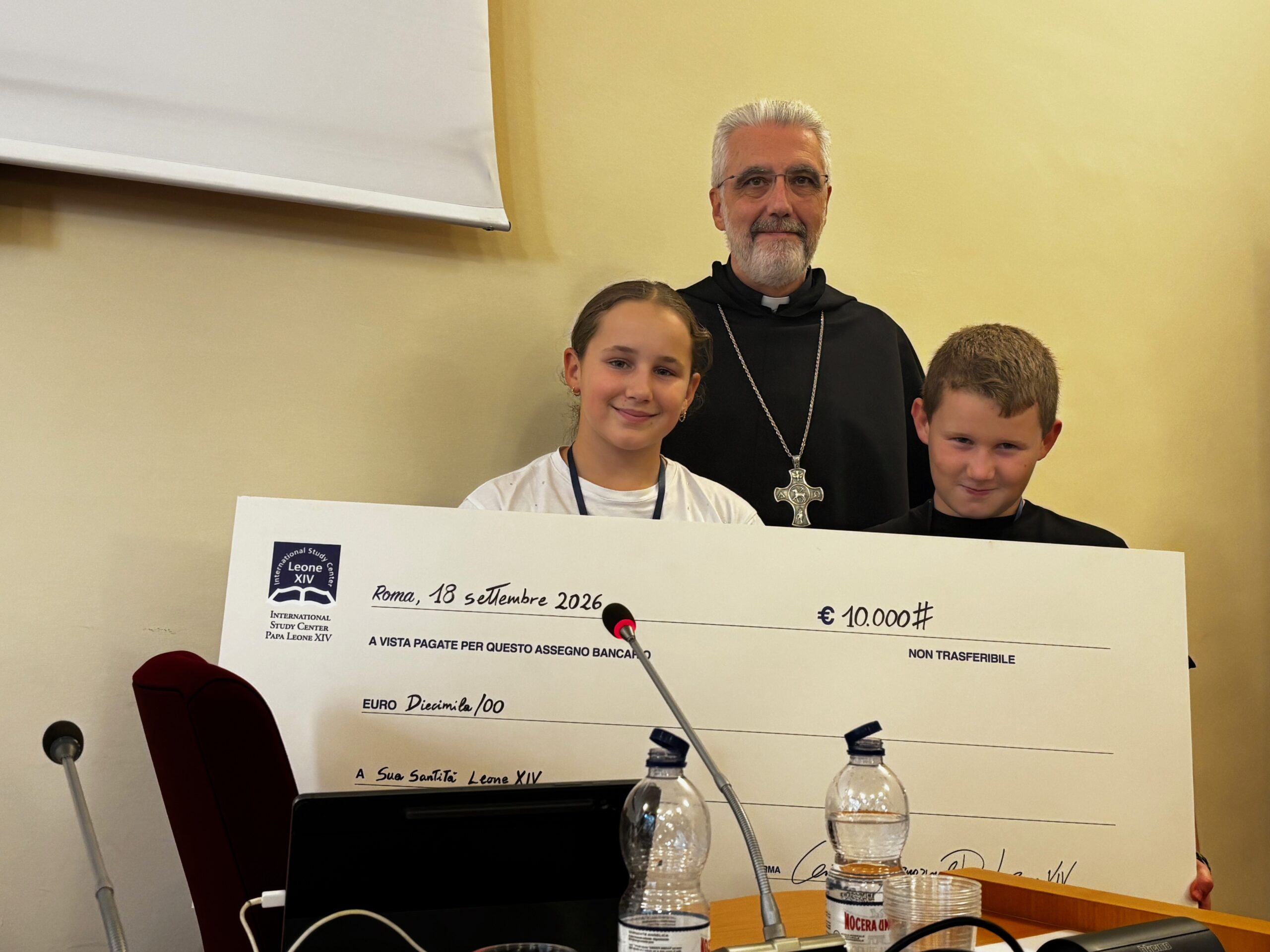
During the audience, the Holy Father was presented with a cheque representing the proceeds of the fundraising initiative organised by the Center in memory of Brother Severino Bussino. The cheque is intended for His Holiness’s Almoner; the Holy Father will choose the charitable works to support through the Dicastery for the Service of Charity – Office of Papal Charities. This gesture of sharing accompanied scholarly reflection with a concrete commitment to the poorest.
The work will continue with the publication of the proceedings, planned for 2027. The first volume will be dedicated to Brother Severino Bussino, in whose memory the workshop was conceived and held.
The full address by Pope Leo XIV, delivered during the audience on 18 September, is available on the official website of the Holy See.
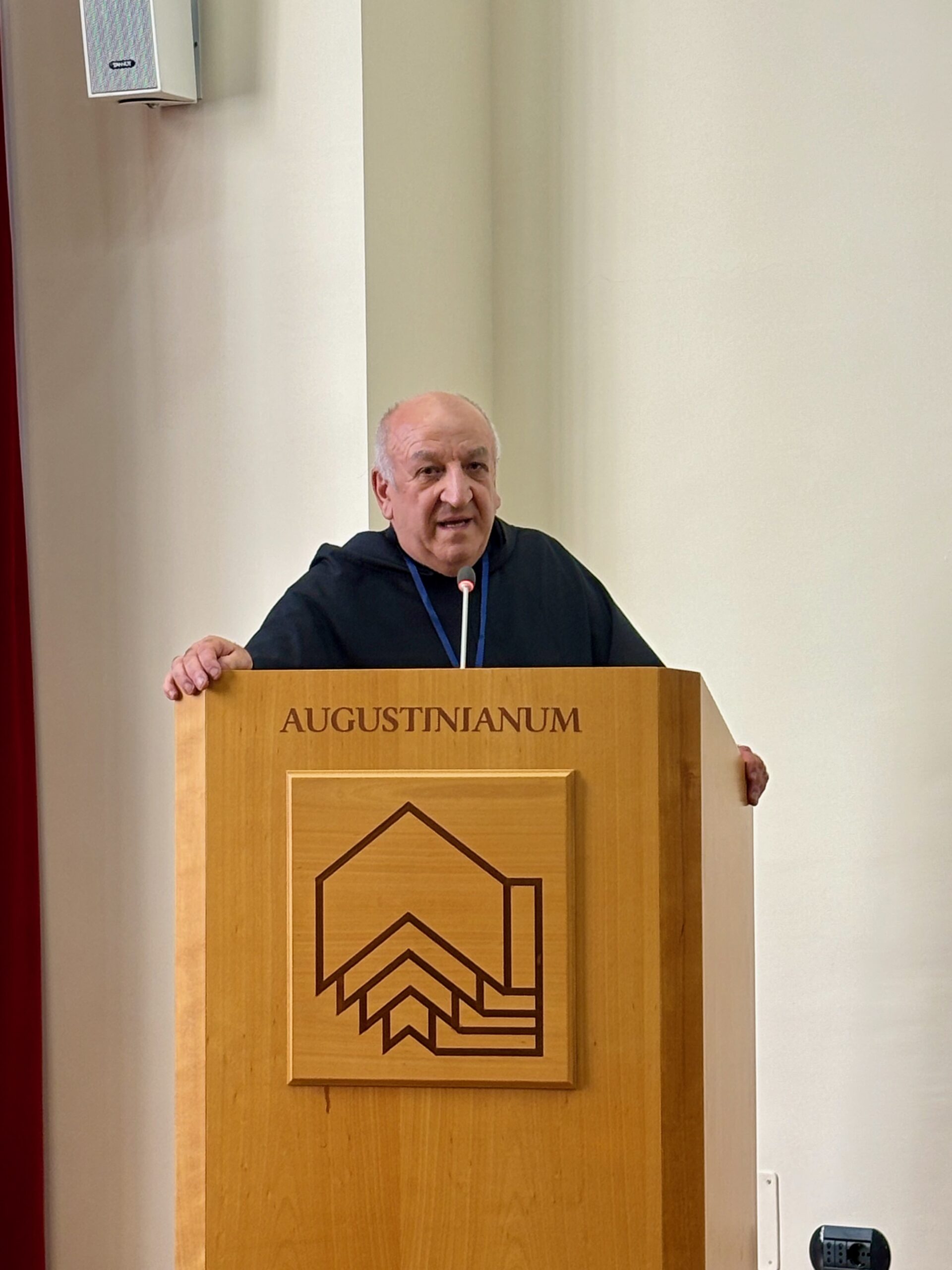
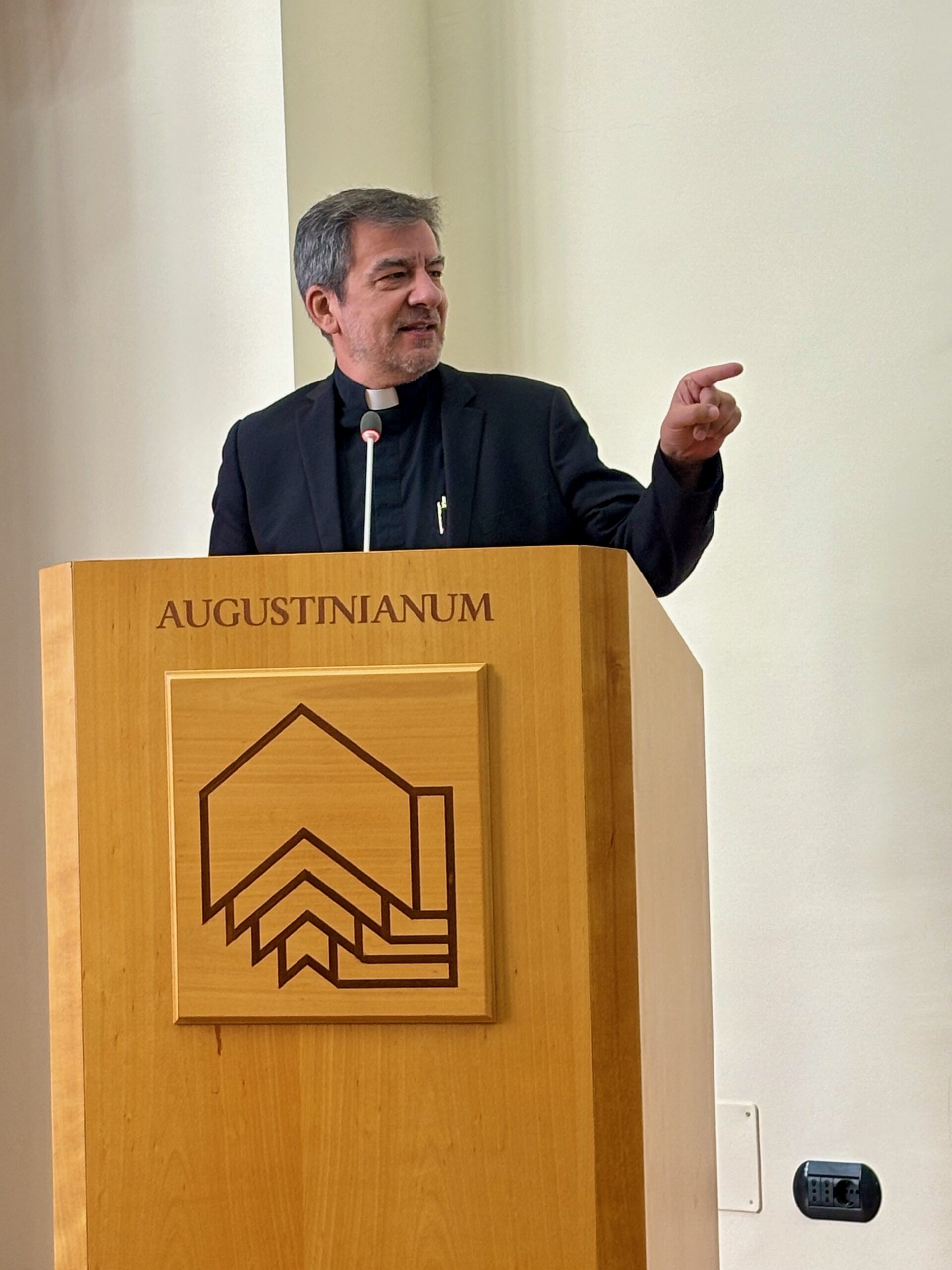
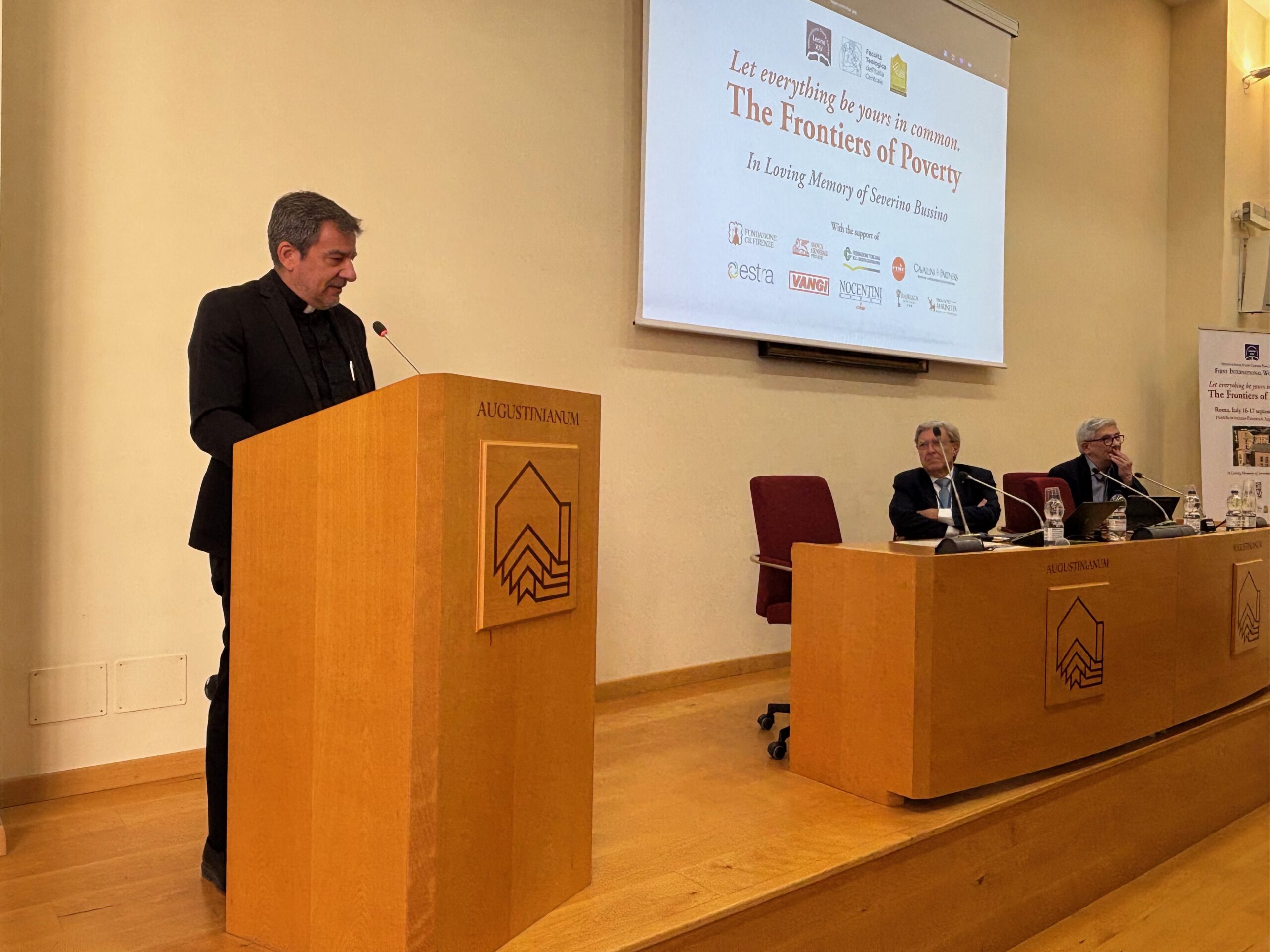
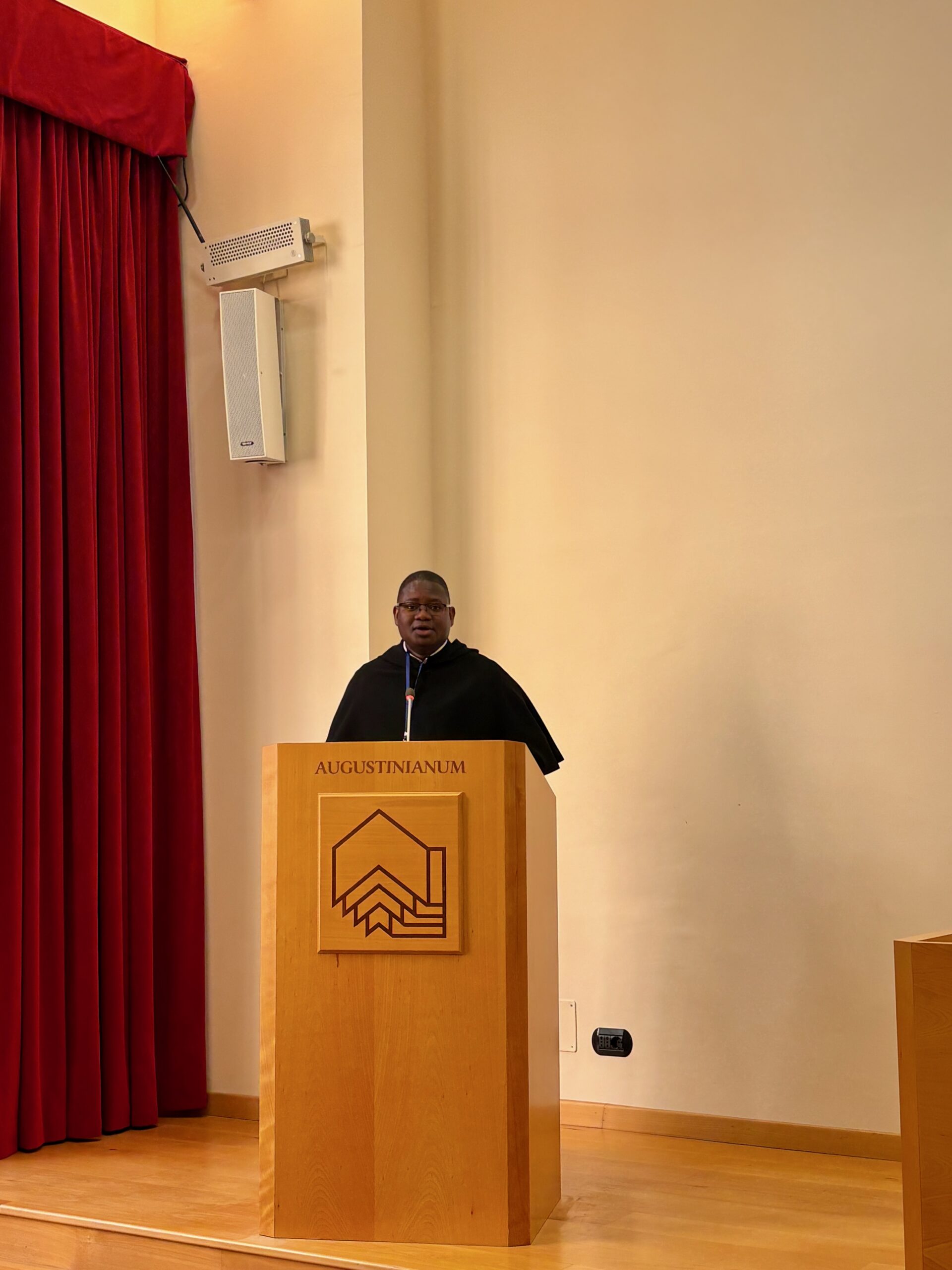
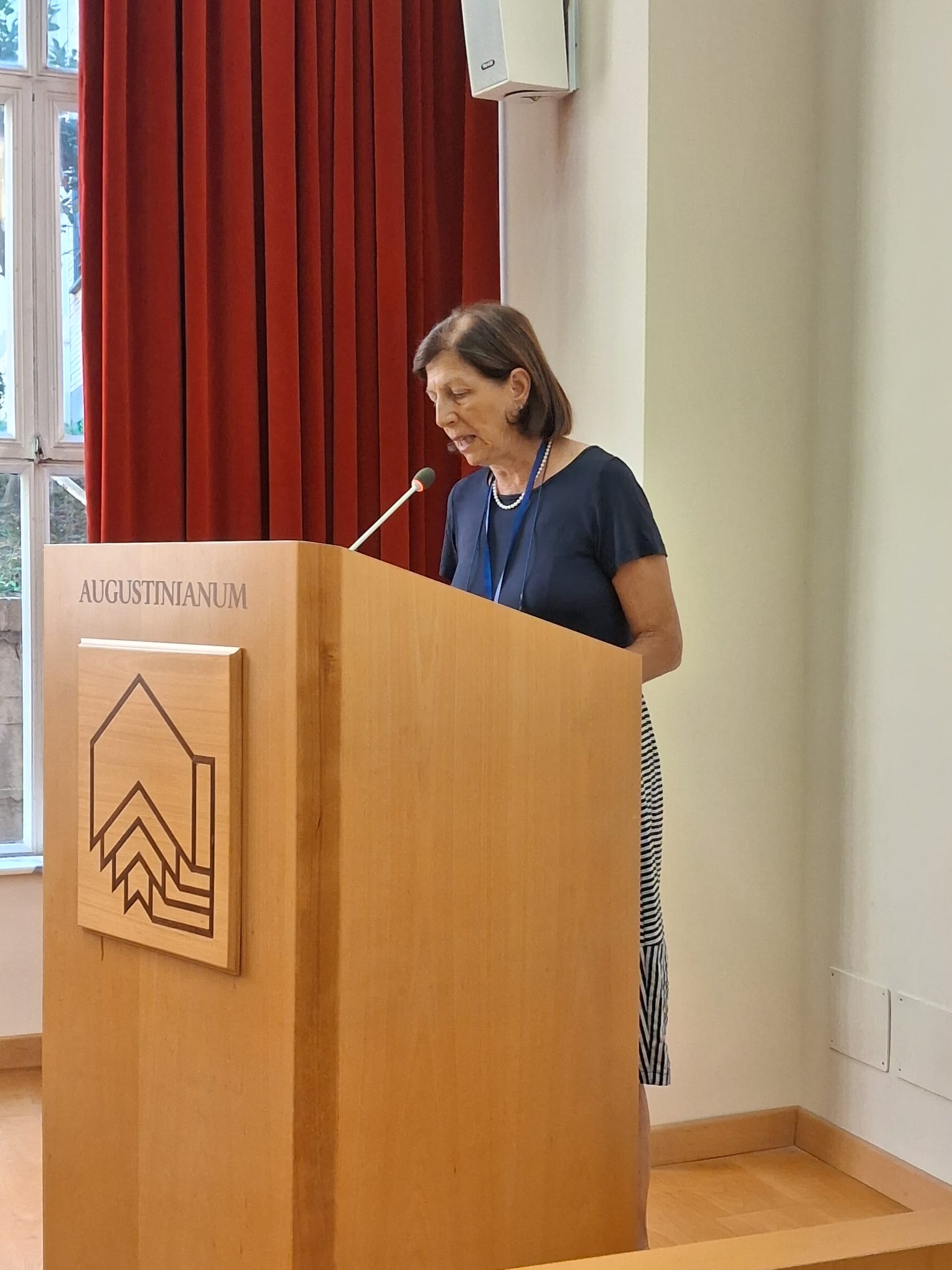
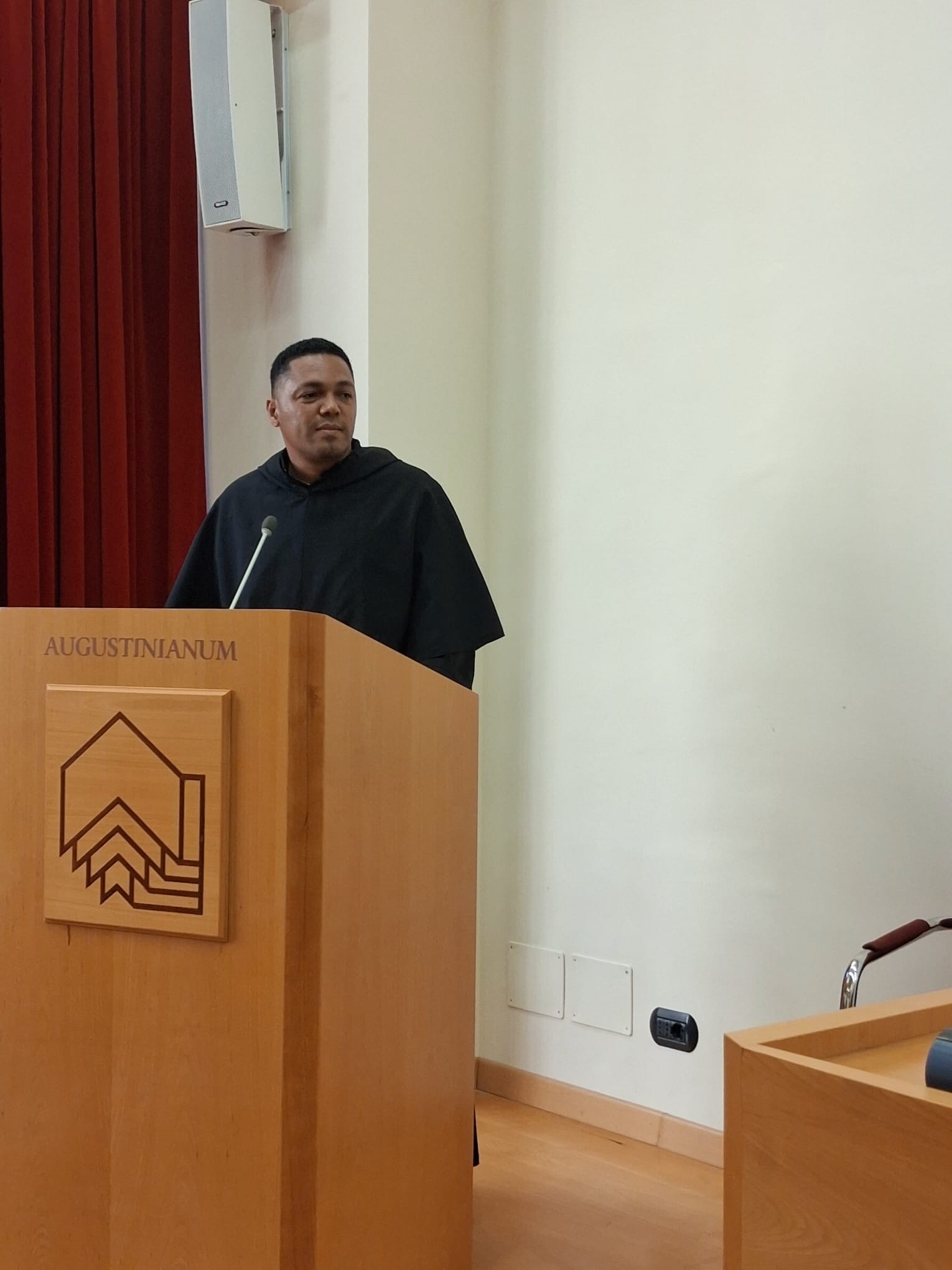
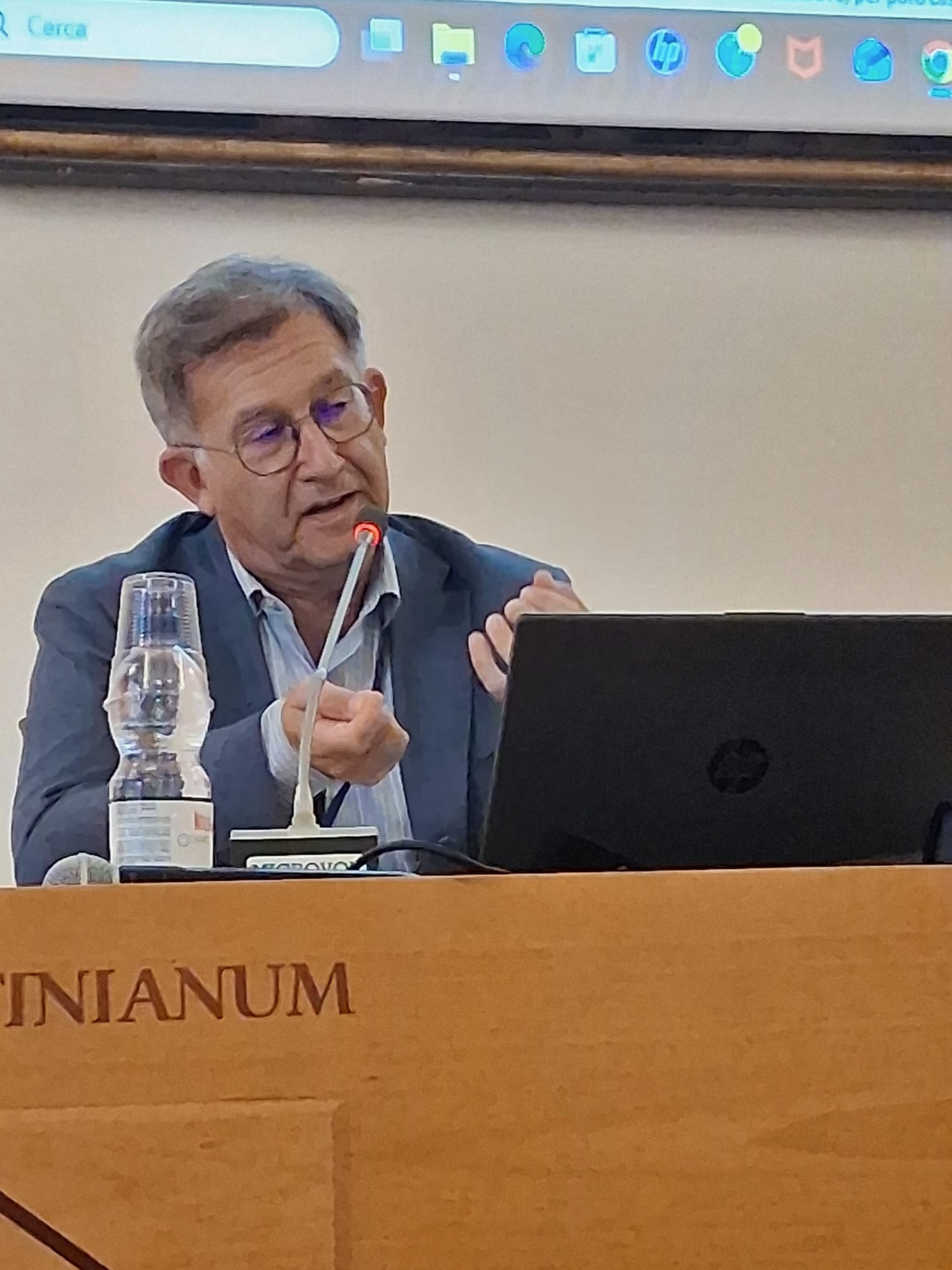
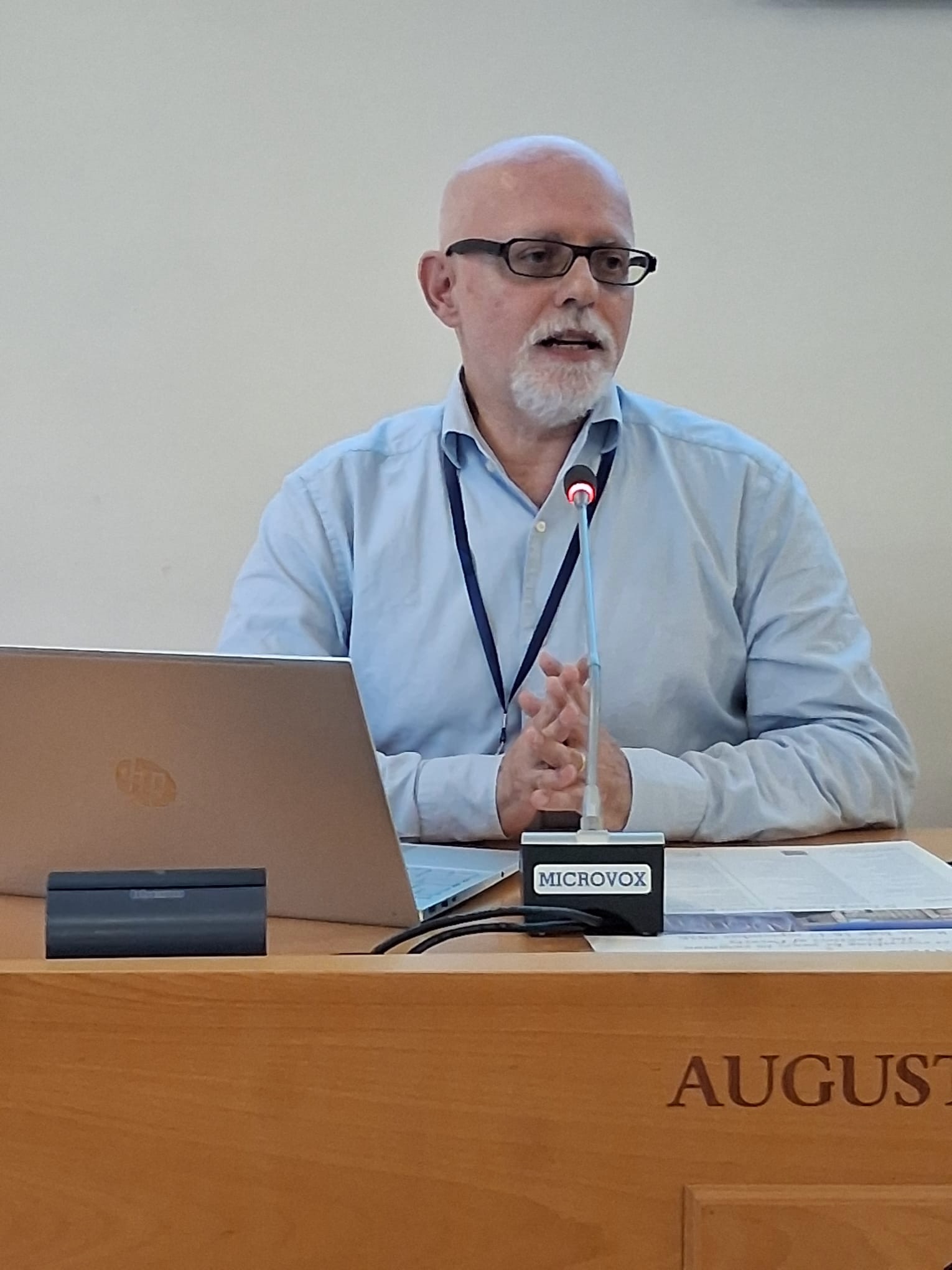
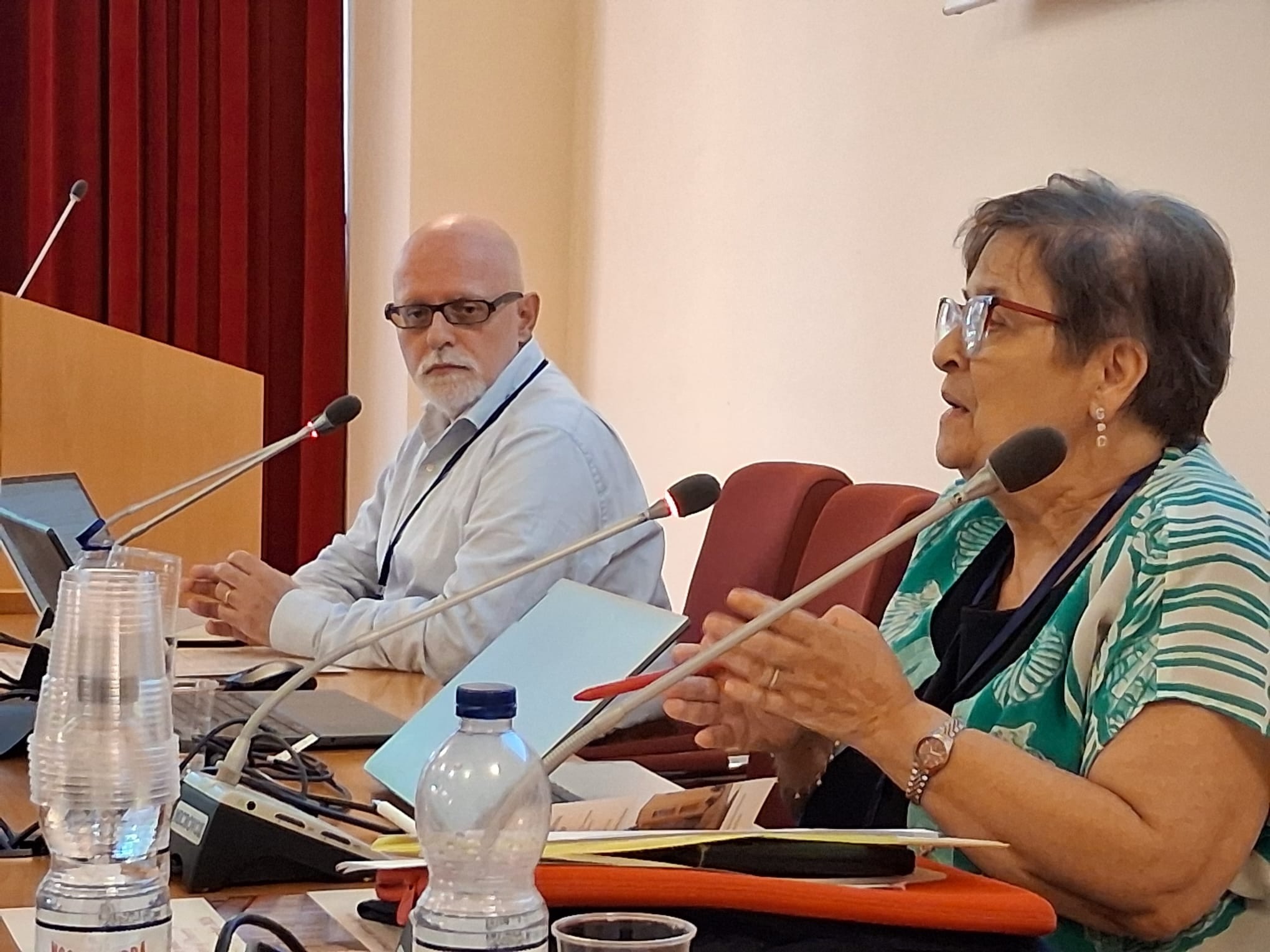
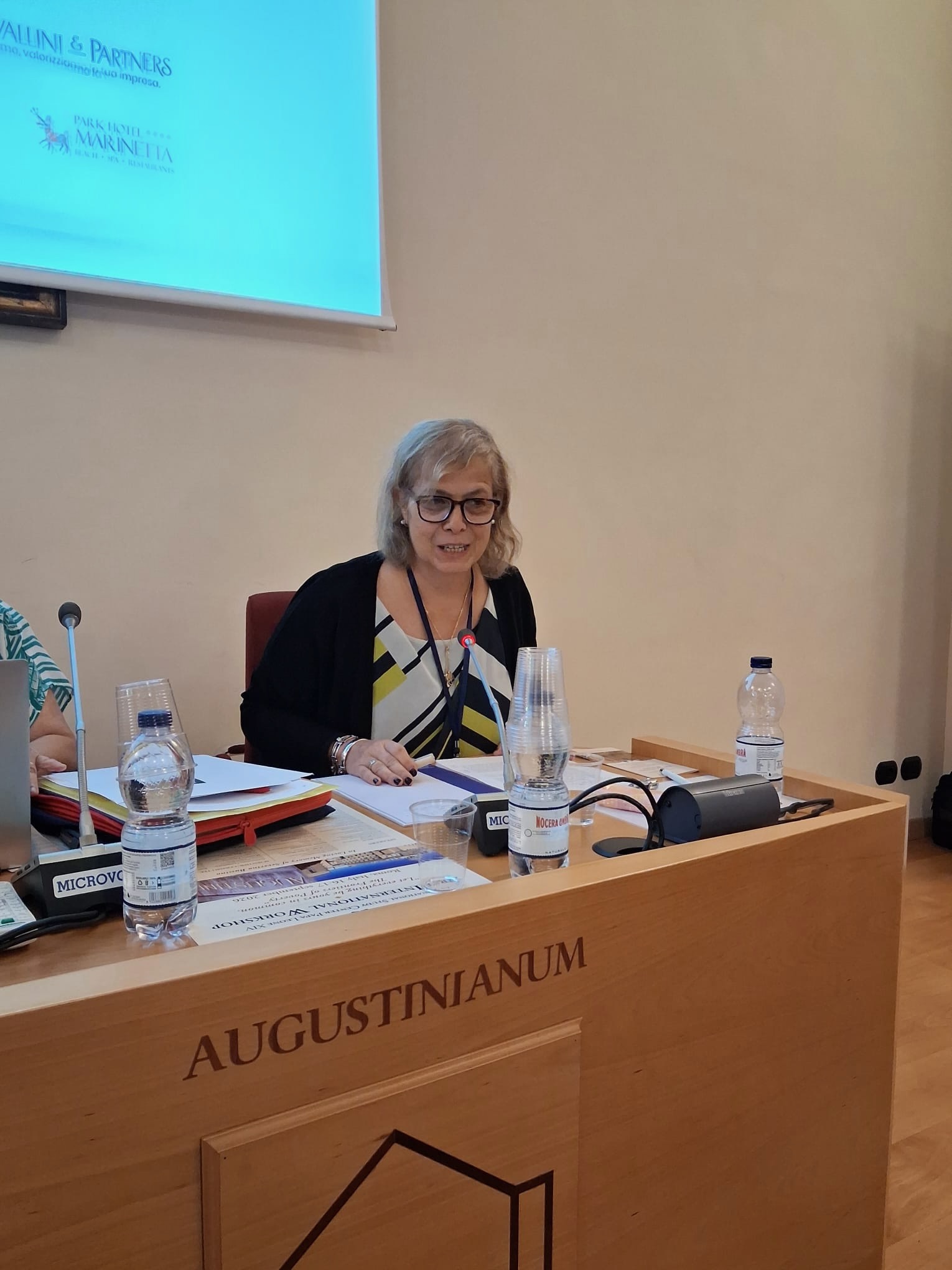
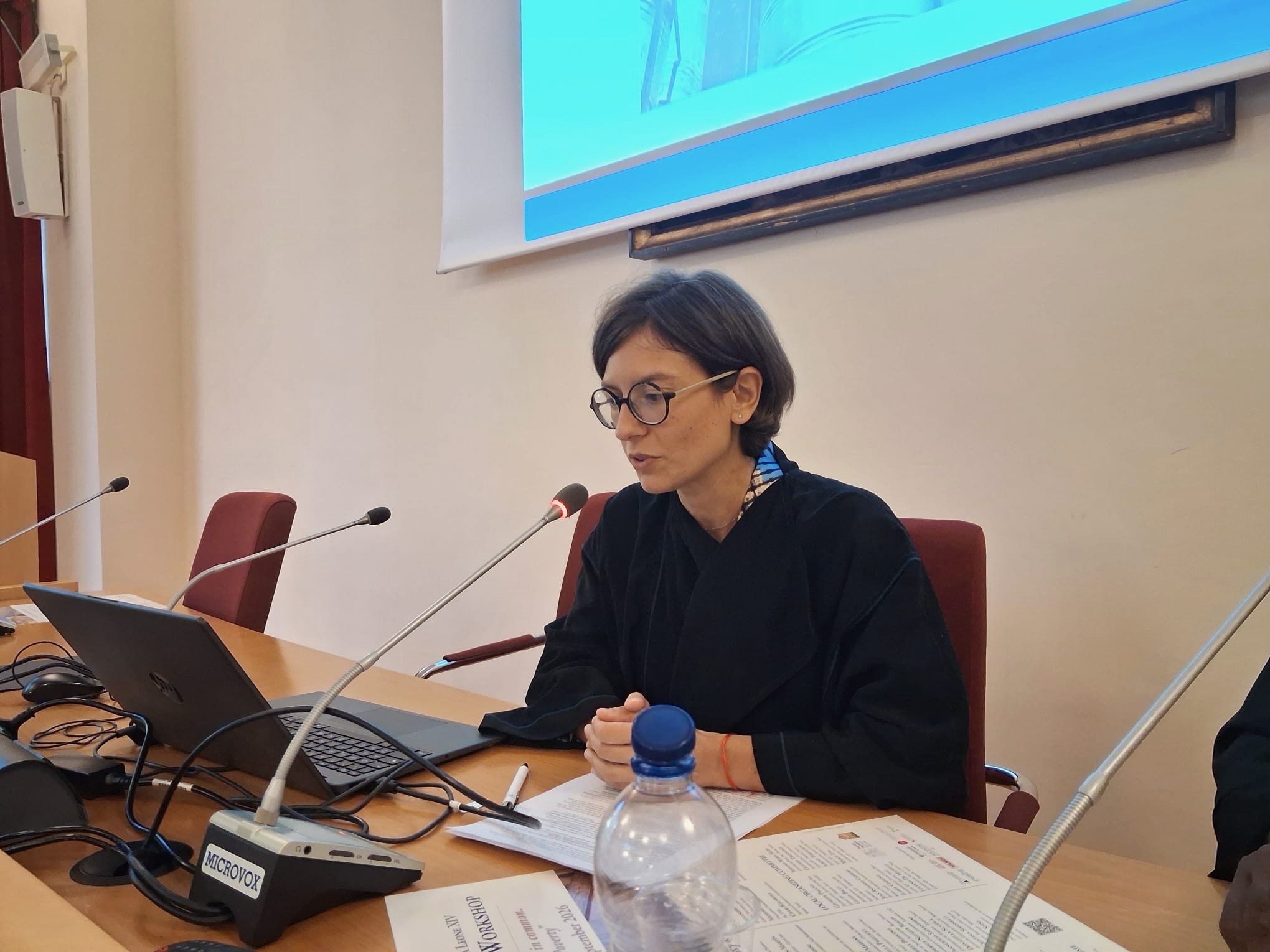
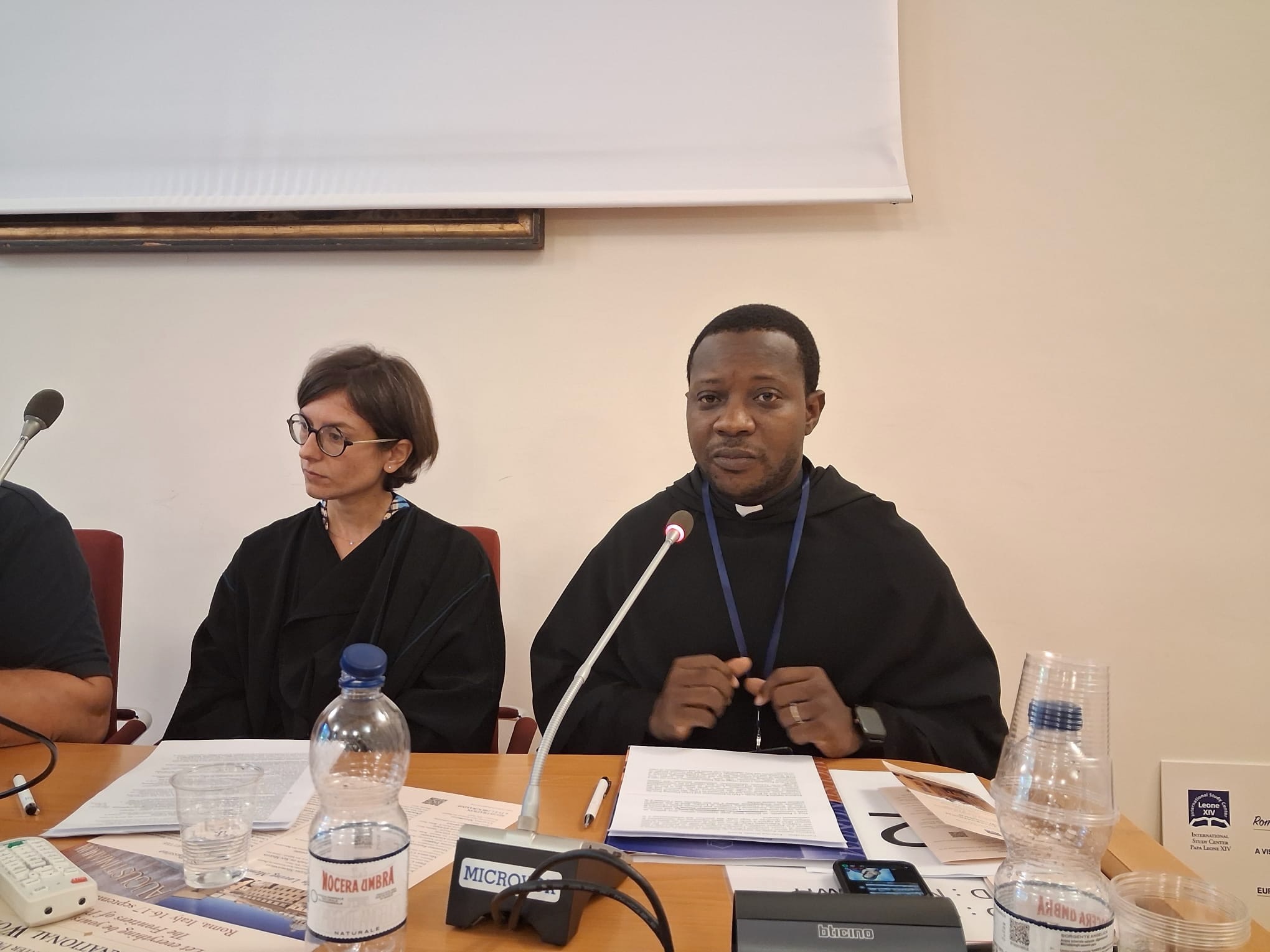
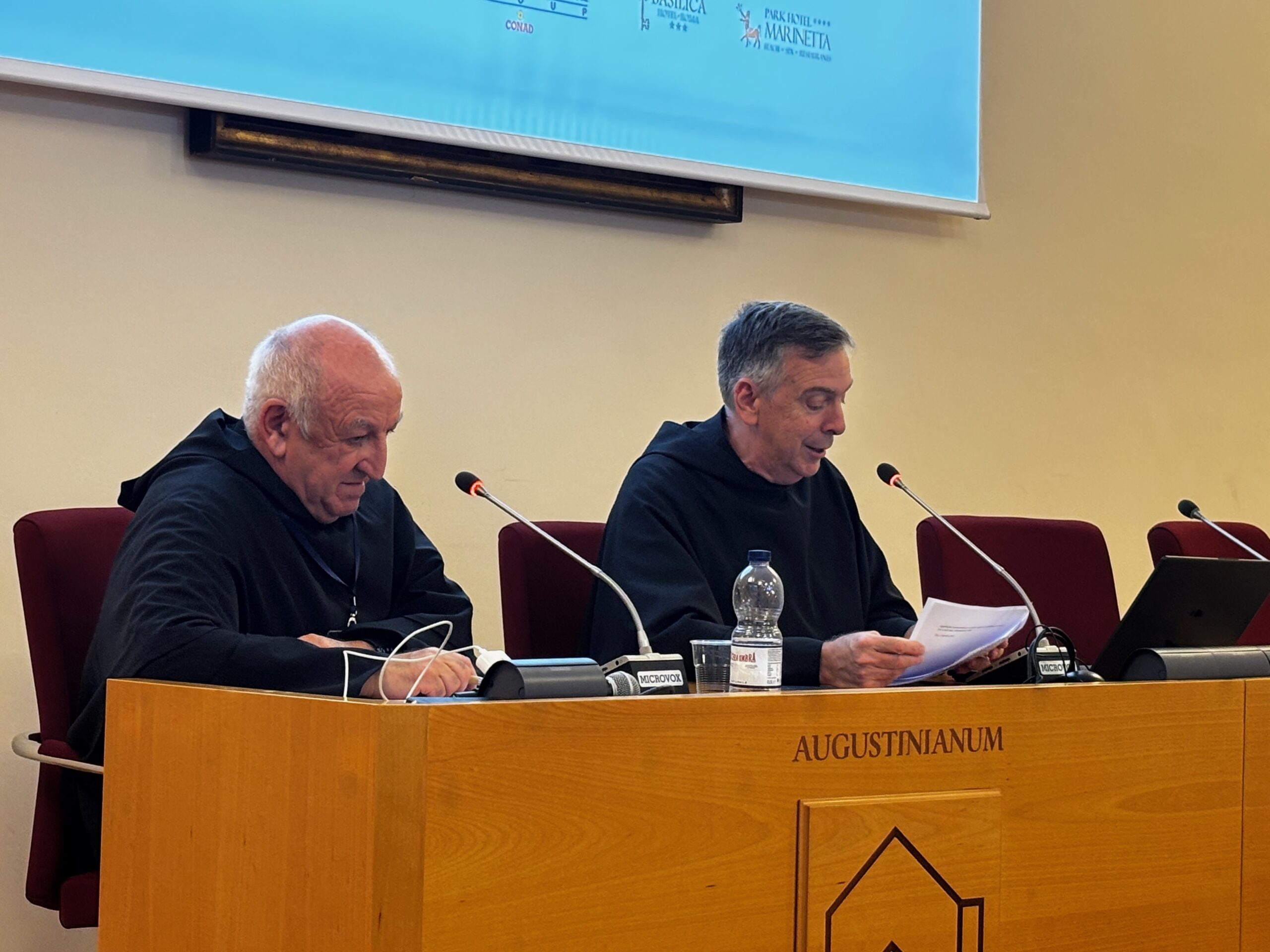
Below is a photo gallery capturing moments from the workshop and the meeting with the Holy Father.
The workshop in pictures
16 September · Opening session and keynote lecture
16 September · Scripture, the Church Fathers and tradition
17 September · Mass in memory of Brother Severino
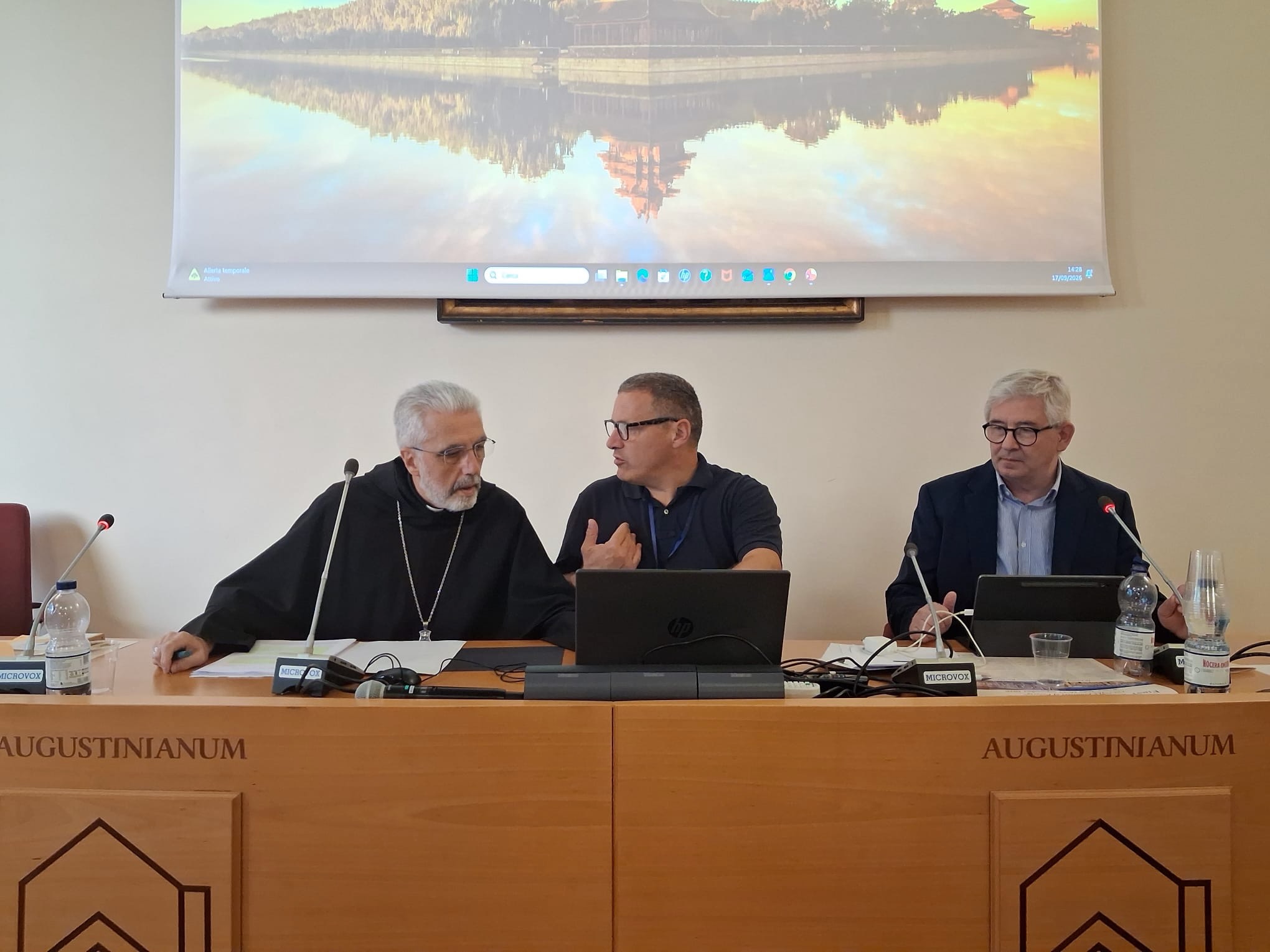
17 September · Contemporary challenges
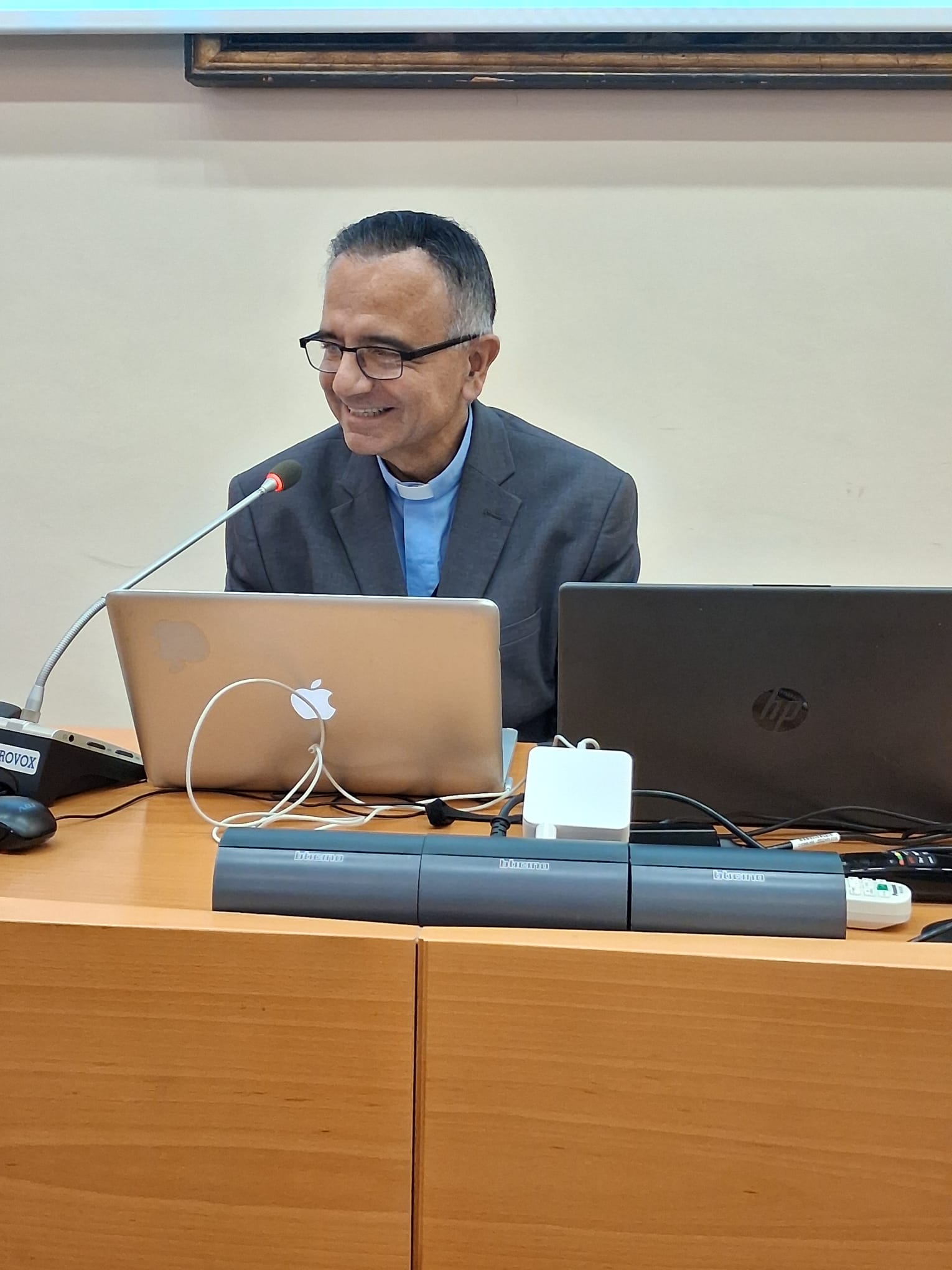
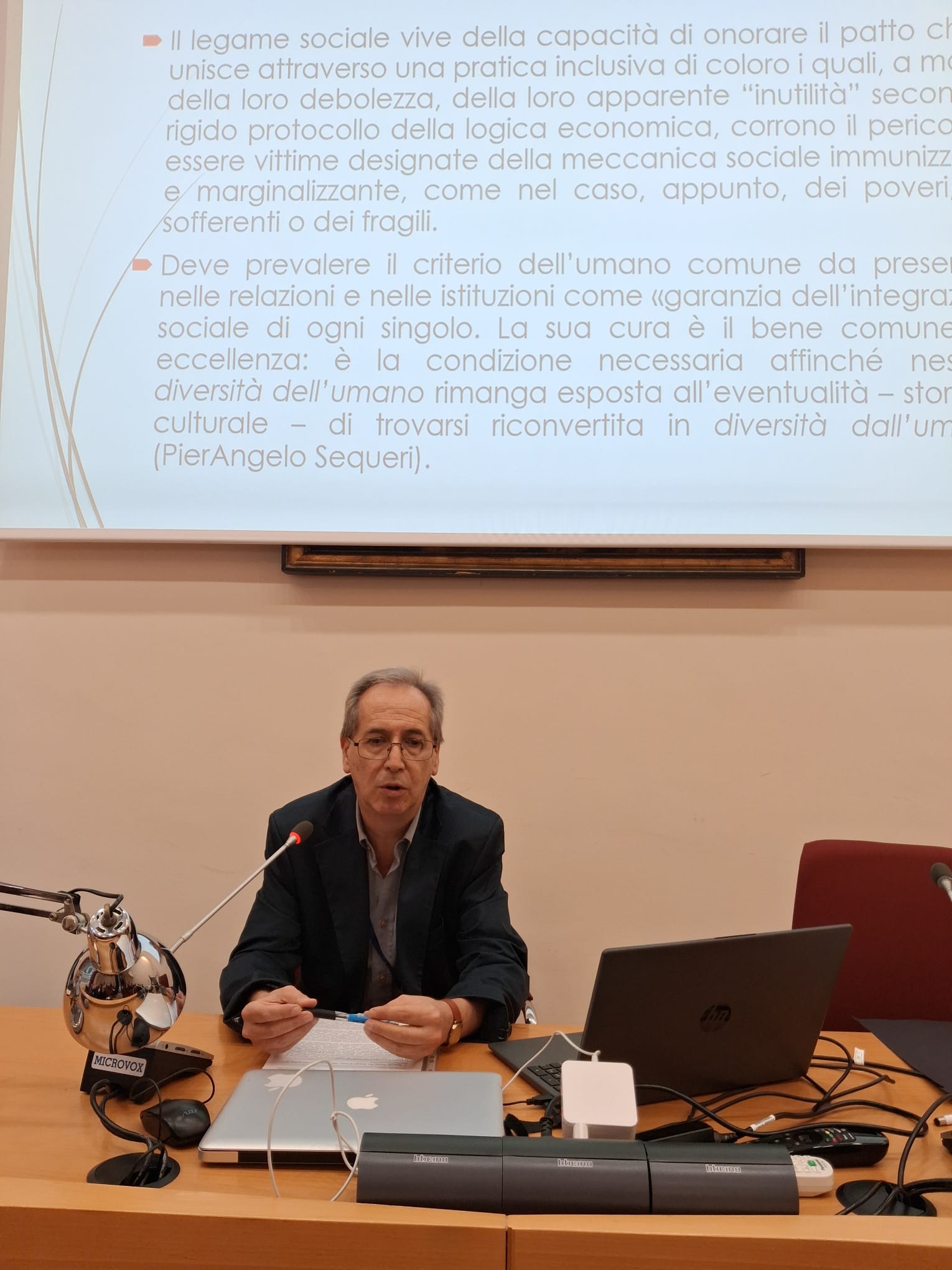
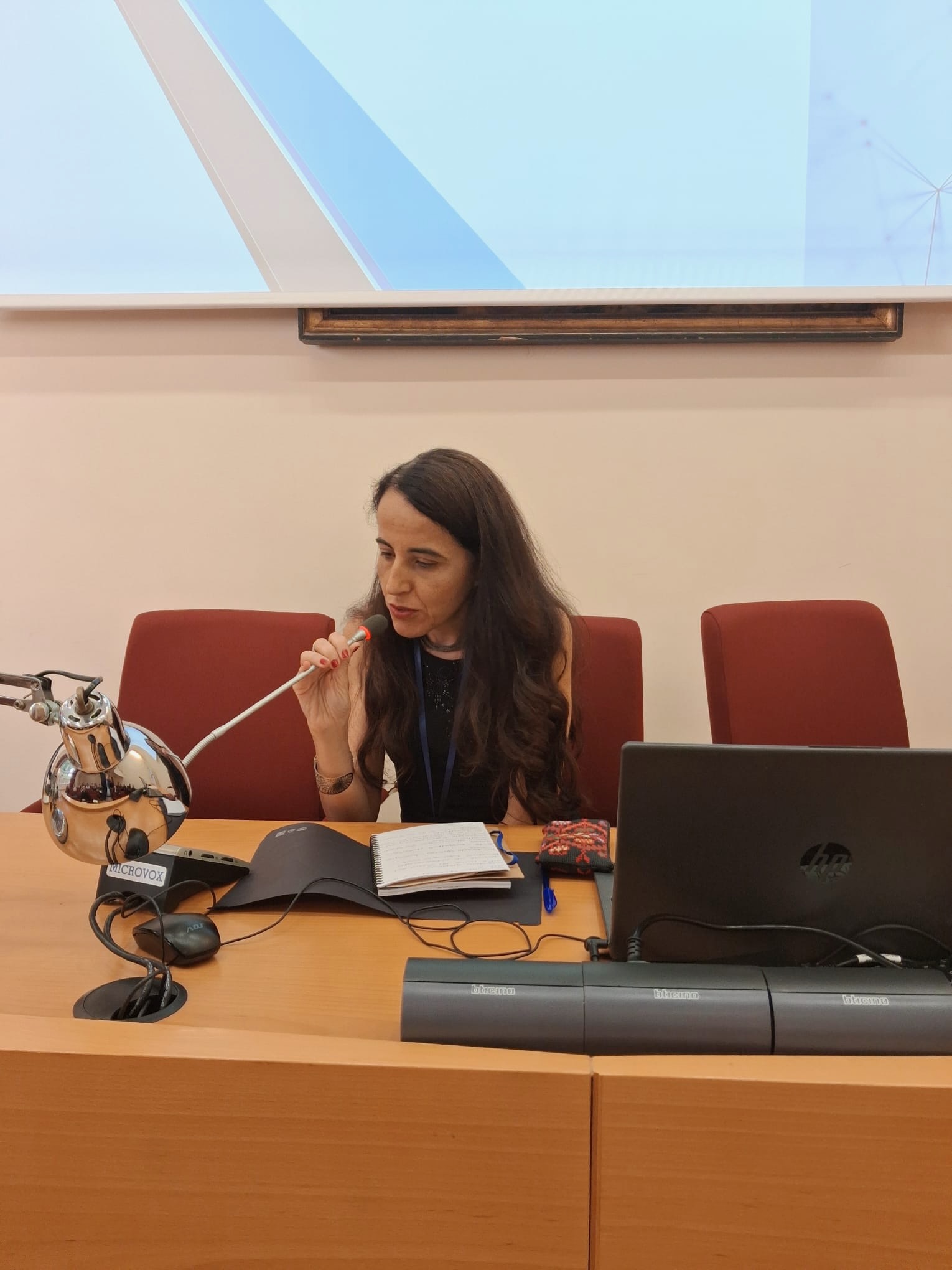
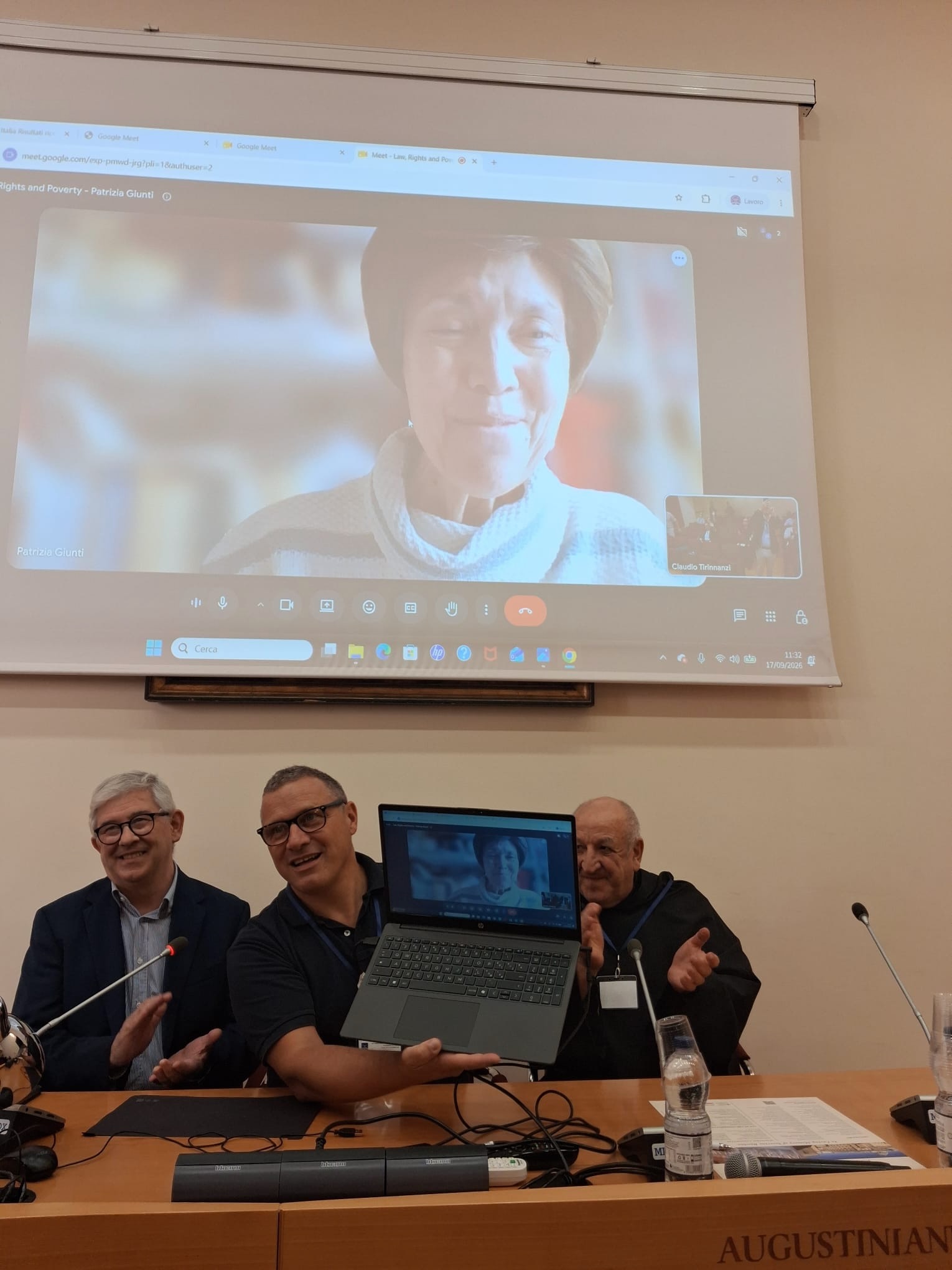
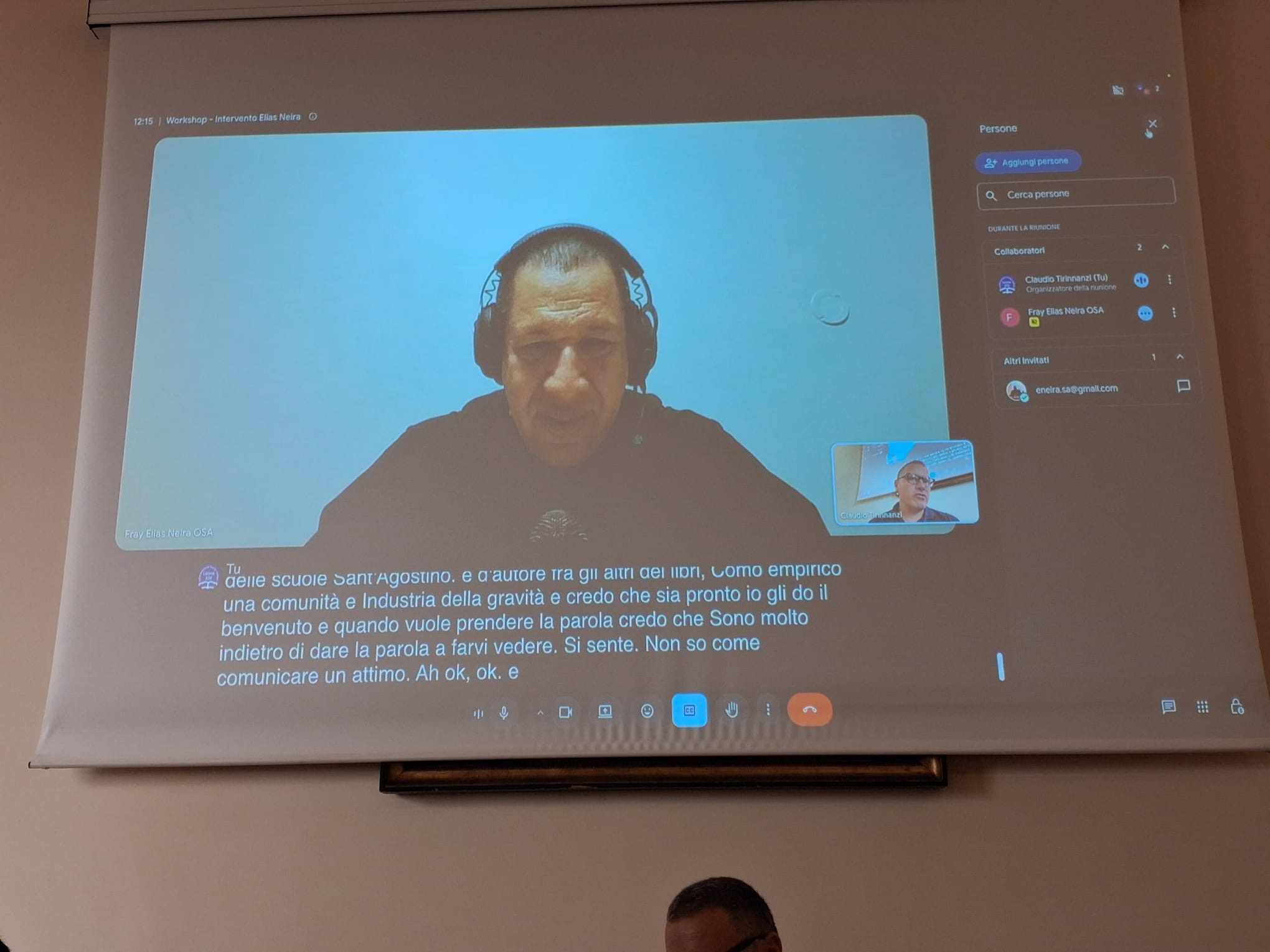
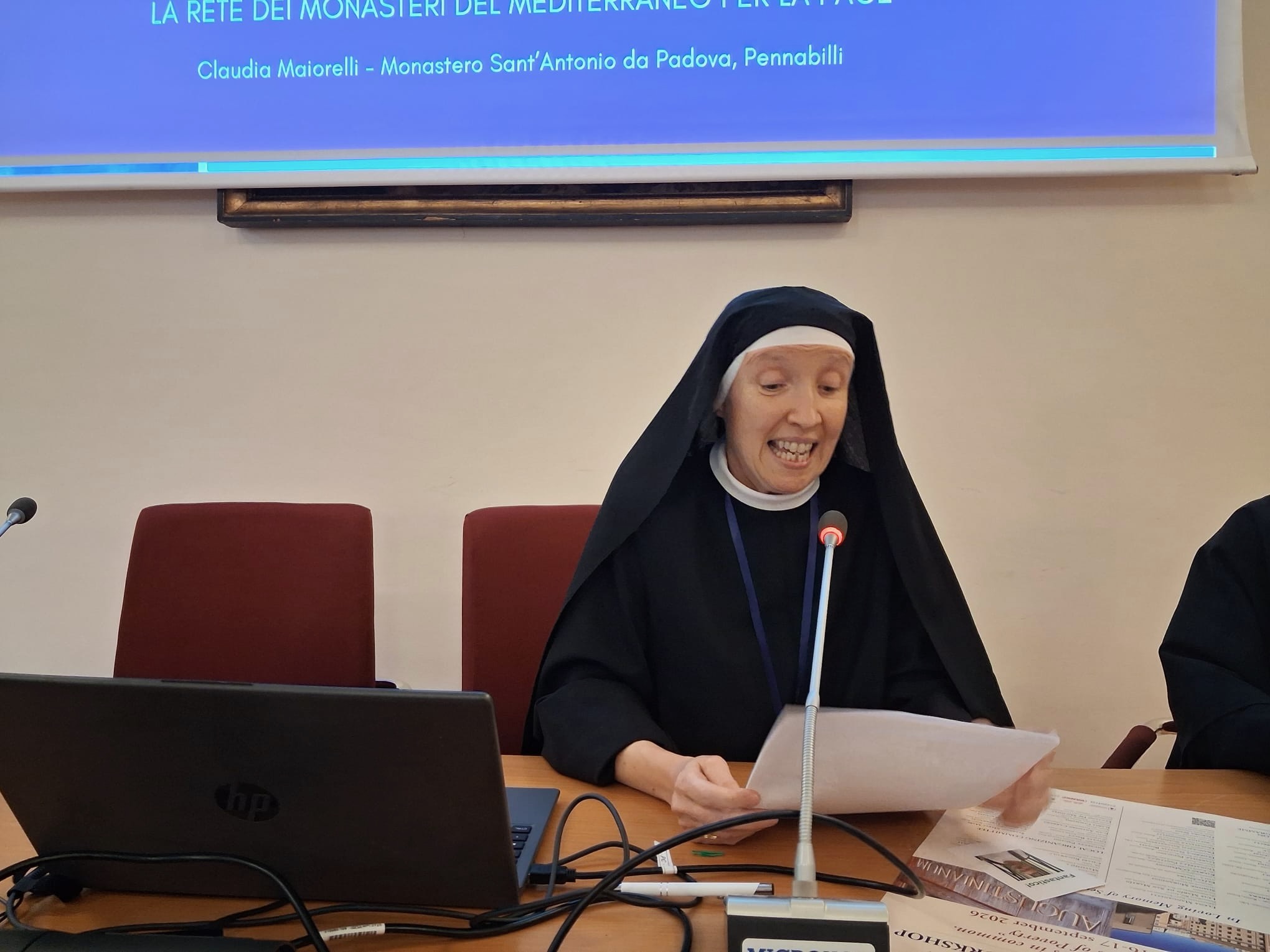
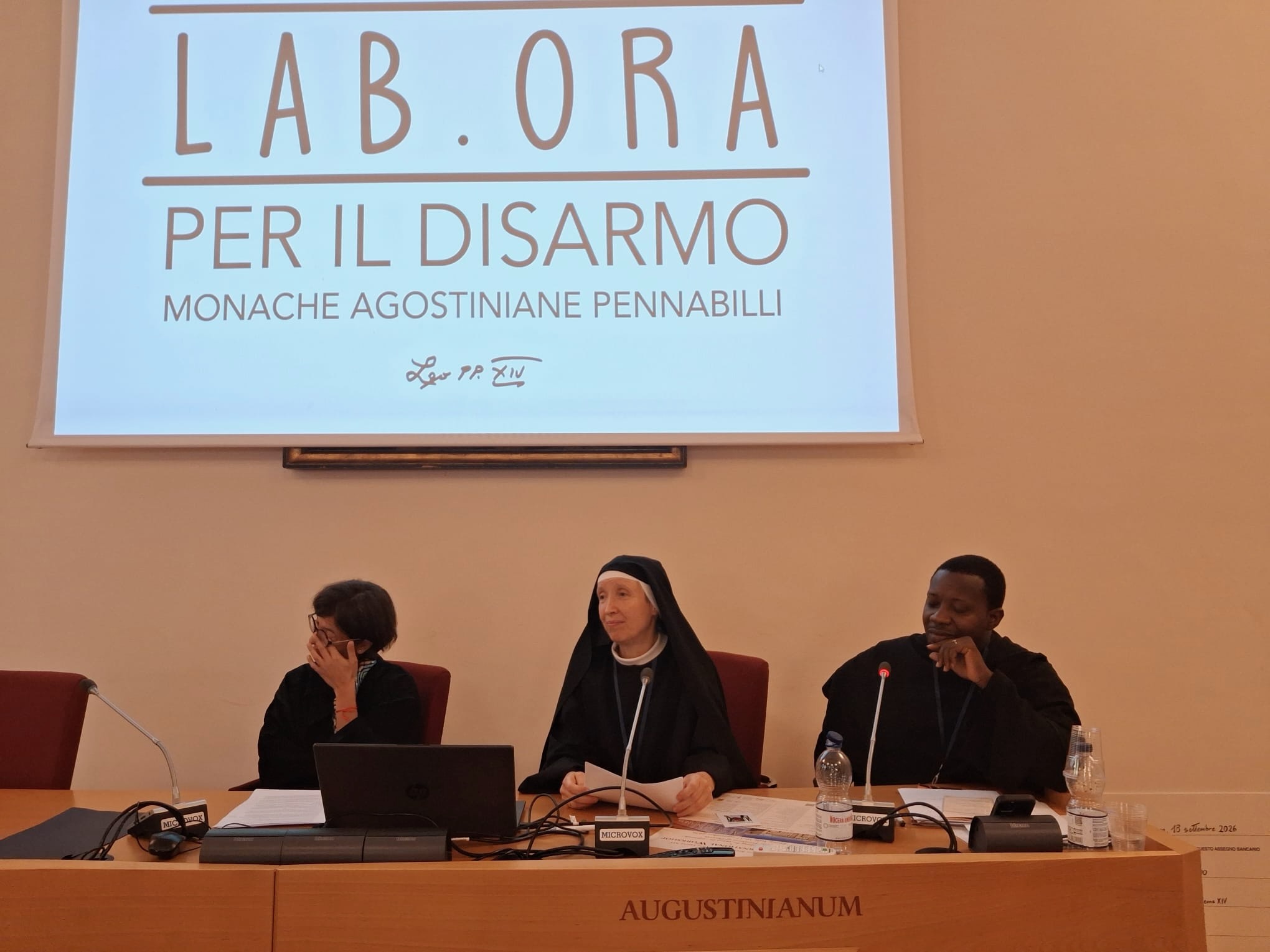
17 September · Global poverty, Churches and religions
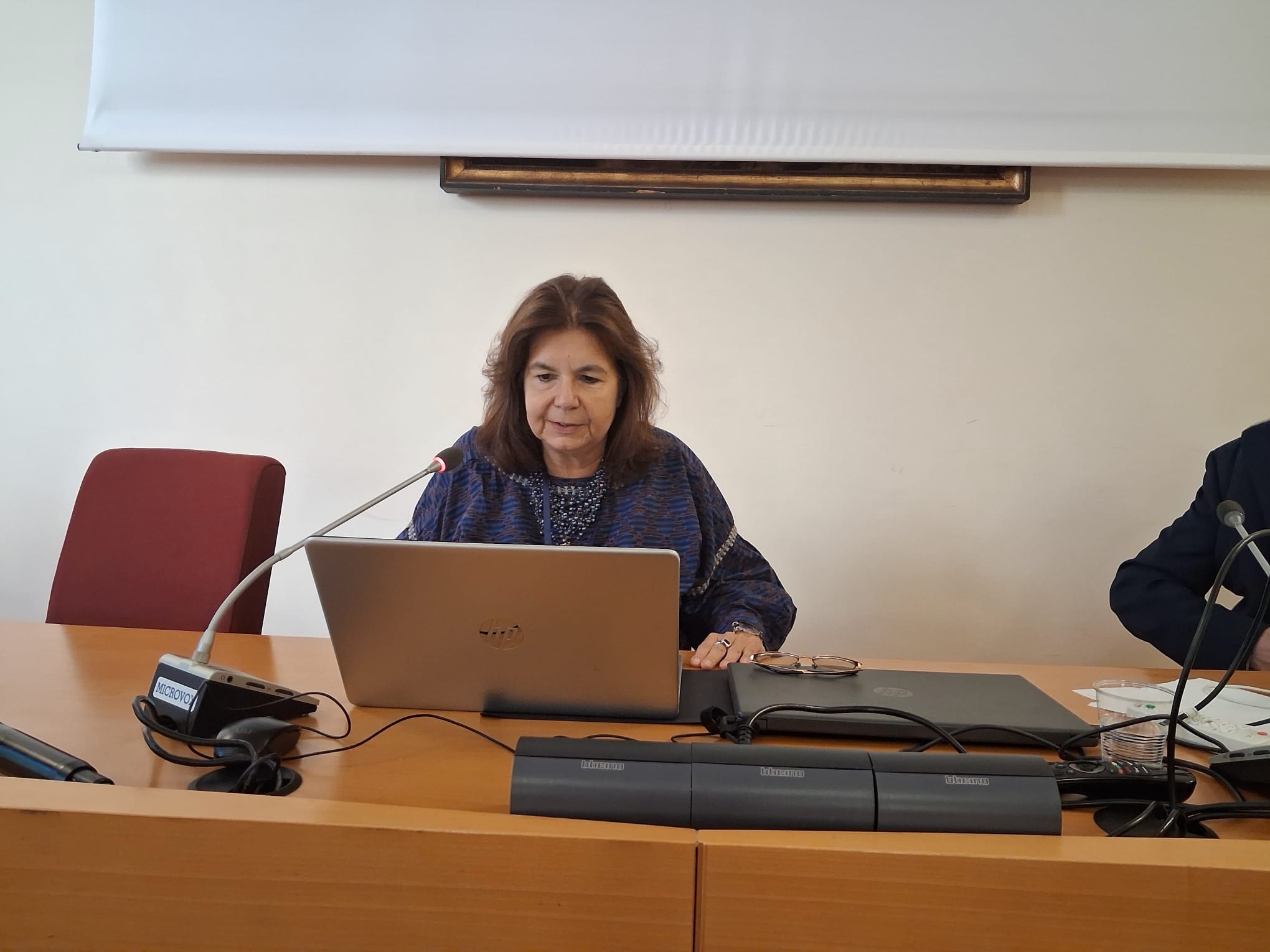
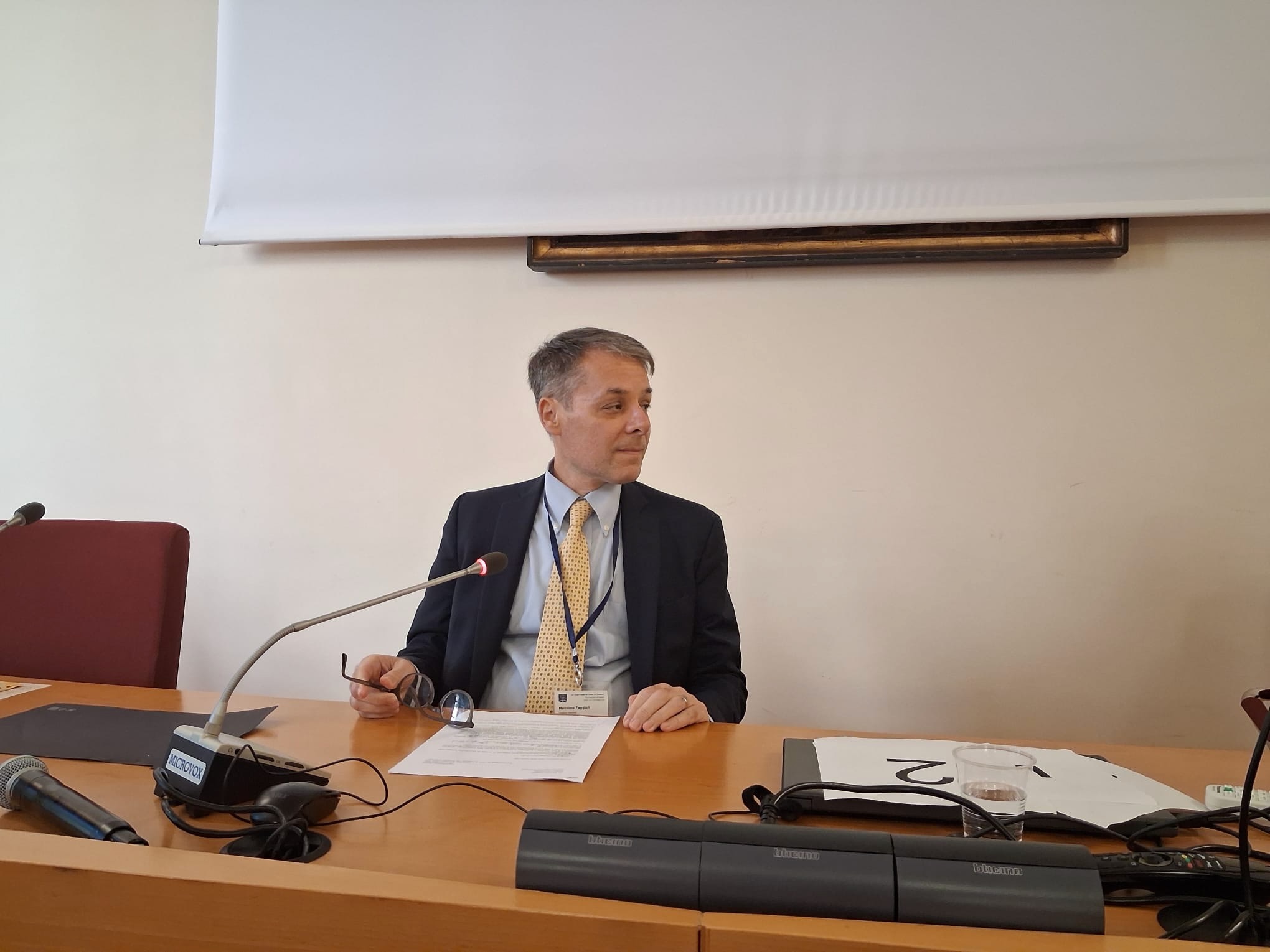
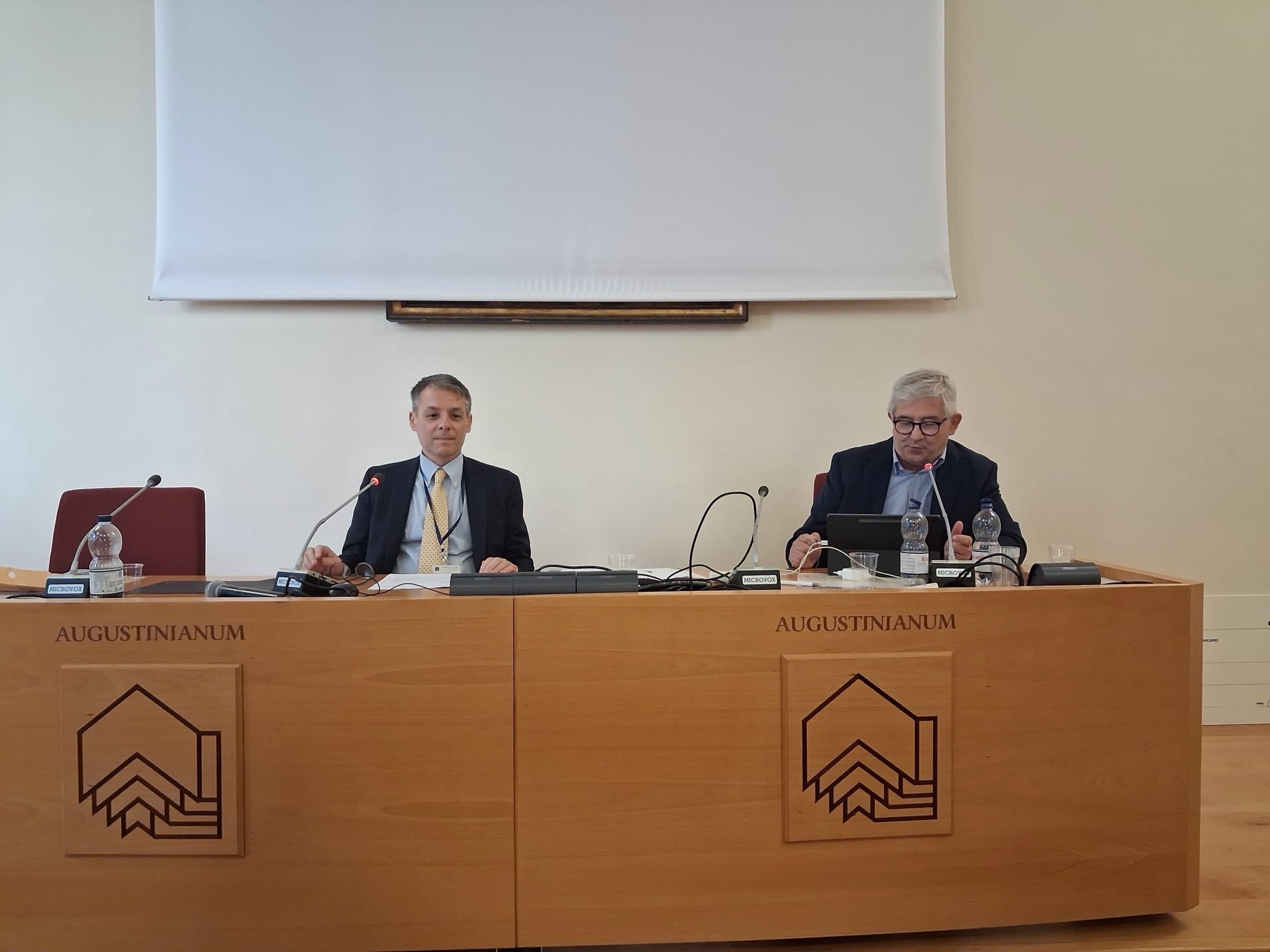
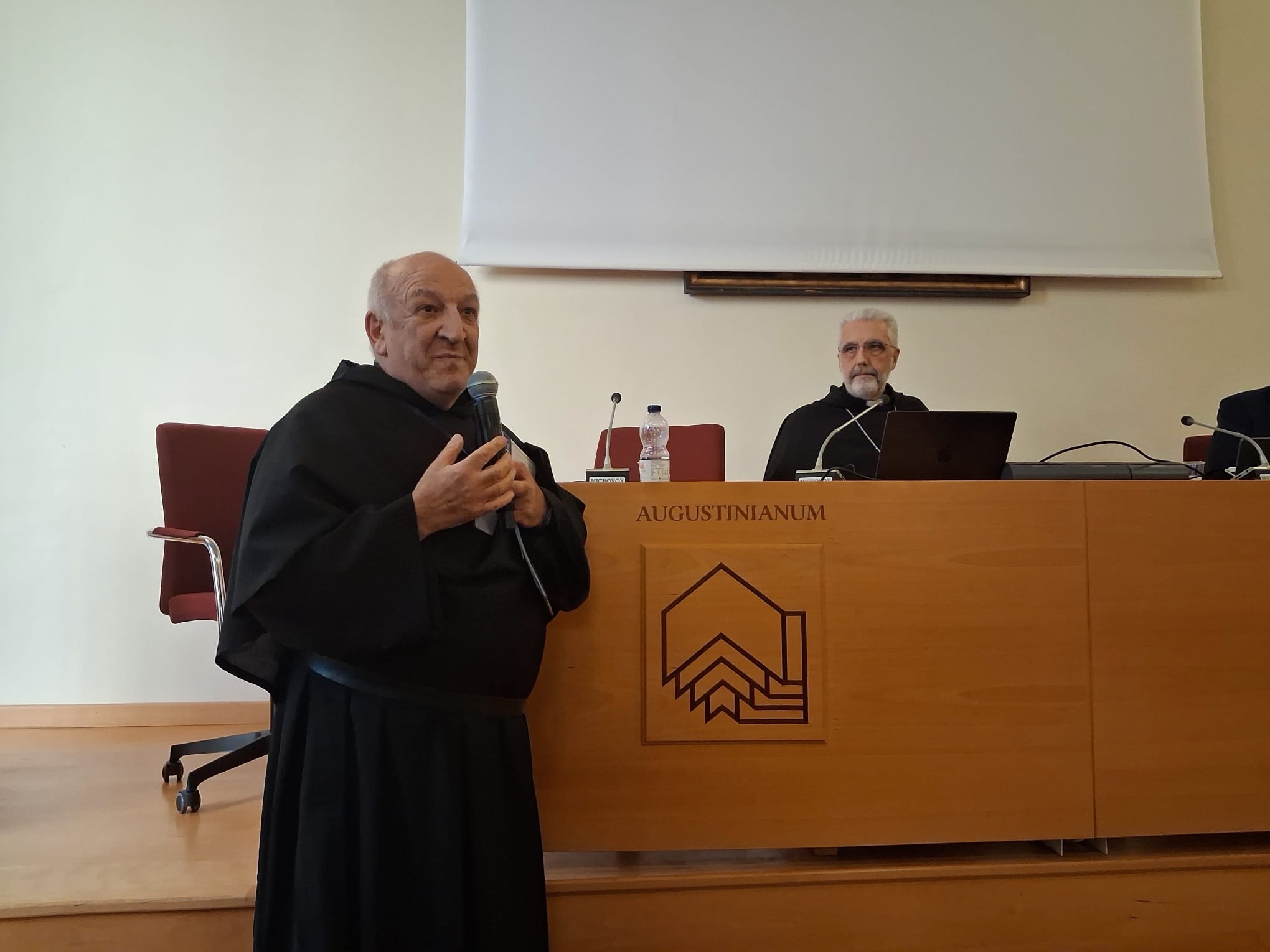
17 September · Contributions from young scholars
17 September · Concluding remarks
18 September · Audience with Pope Leo XIV